
A water heater often gives you a warning before it stops working. The water may take longer to heat up, showers may run cold, or you might notice moisture around the unit. When repairs no longer solve the problem, the next concern is usually the price of a replacement.
For Houston homeowners, water heater replacement cost depends on the heater's size, fuel connections, installation location, and any plumbing or safety updates needed. A simple replacement can involve much less work than a project that requires new piping or changes to an older setup.
This guide explains the costs to plan for, the questions to ask before approving an estimate, and how to decide whether replacing your existing water heater is the right next step.
How Much Does Water Heater Replacement Cost in Houston?
Quick answer: As a broad planning estimate, replacing a conventional residential water heater in Houston may cost around $2,000 to $4,500. Replacing an existing tankless unit may cost approximately $2,800 to $4,500, while converting from a traditional tank to a tankless water heater can cost $3,500 to $7,500 or more. These are general planning estimates, not fixed prices from Spencer's Plumbing Services. The final cost depends on equipment size, installation access, plumbing connections, venting, and any necessary safety upgrades.
An installer needs to inspect the existing unit and connections before giving you a meaningful price. Equipment, labor, removal, materials, and permit-related work should all be considered in the total.
Tank vs. Tankless Installed Cost Comparison
| Feature | Tank Water Heater | Tankless Water Heater |
|---|---|---|
| Installed cost estimate | $2,000 to $4,500 | $4,200 to $10,000 |
| Installation | Often reuses existing connections | May need gas, venting, or electrical upgrades |
| Expected lifespan | About 10 to 15 years | Often 20 years with proper care |
| Hot water supply | Limited by tank capacity | Continuous within the unit's flow capacity |
| Energy efficiency | Some standby heat loss | Heats water when needed |
| Maintenance | Periodic flushing and component checks | Descaling based on water conditions |
Why Houston Replacement Quotes Vary
Two homes with identical heater sizes can receive different quotes. One unit may sit beside accessible plumbing in a garage, while another is tucked into an attic with aging connections.
Removal, labor, equipment quality, and necessary safety updates affect the total. Compare itemized estimates for your actual property rather than relying on a single advertised price.
From leaky faucets to major water and sewer repairs, Spencer’s Plumbing Service has you covered 24/7.Looking For An Estimate?

Tank Water Heater: Costs and Everyday Benefits
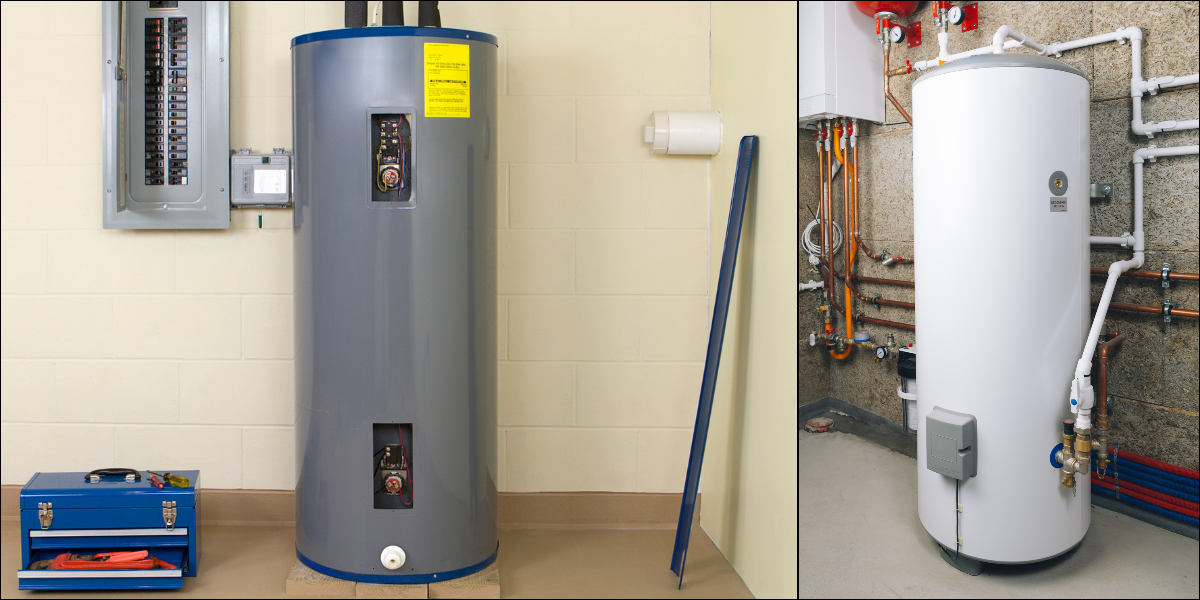
A traditional tank water heater stores heated water, commonly in a 40- or 50-gallon tank. It remains a practical choice for homeowners who prefer familiar equipment and a lower upfront expense.
When a Tank Replacement Makes Financial Sense
Replacing gas with gas or electric with electric often avoids major modifications. If existing connections and venting are suitable, a plumber can install a correctly sized replacement without rebuilding the surrounding system.
This option works well when your current setup meets your household's needs and you prefer to avoid a costly conversion.
Choose Capacity Based on Your Routine
A 50-gallon tank may suit many households, but sizing depends on when people use hot water. Back-to-back showers create greater demand than showers spread throughout the day.
Ask about the first-hour rating, which estimates how much hot water the system can deliver during a busy hour. Tank capacity alone does not tell the whole story.
Tankless Water Heater: Why Installation Costs More
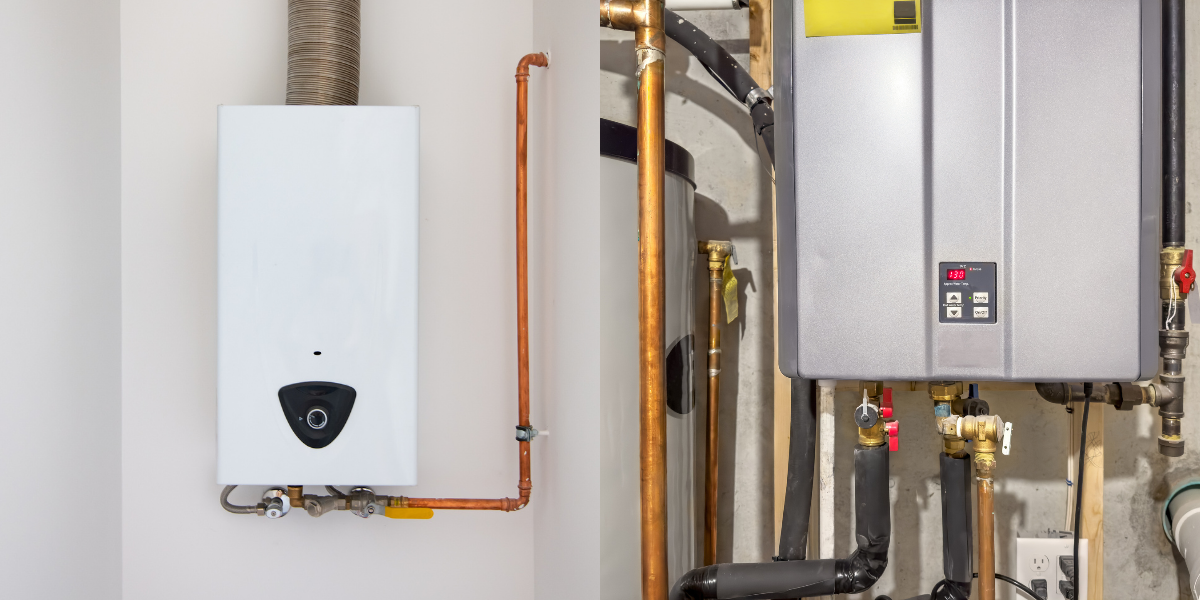
A tankless water heater heats water as it flows through the unit. Its compact design and on-demand operation appeal to homeowners who want extra storage space and continuous hot water.
Common Costs When Converting From Tank to Tankless
The water heater installation price can increase when a house was designed for conventional equipment. Depending on the model and existing utilities, conversion work may include:
- Gas supply: Increasing pipe capacity or checking whether the existing meter can support the heater.
- Venting: Installing manufacturer-approved exhaust piping and, for certain models, a condensate drain.
- Electrical work: Adding a suitable outlet or upgrading circuits, especially for electric tankless equipment.
A plumber should inspect your setup to determine which upgrades are necessary.
Continuous Hot Water Has a Practical Limit
Tankless units do not run out of stored hot water because they have no storage tank. However, each model has a maximum delivery rate, measured in gallons per minute.
Running several showers and appliances together can exceed that capacity. Choose a unit based on simultaneous hot water demand, not simply the number of bathrooms.
What Affects Water Heater Installation Costs?
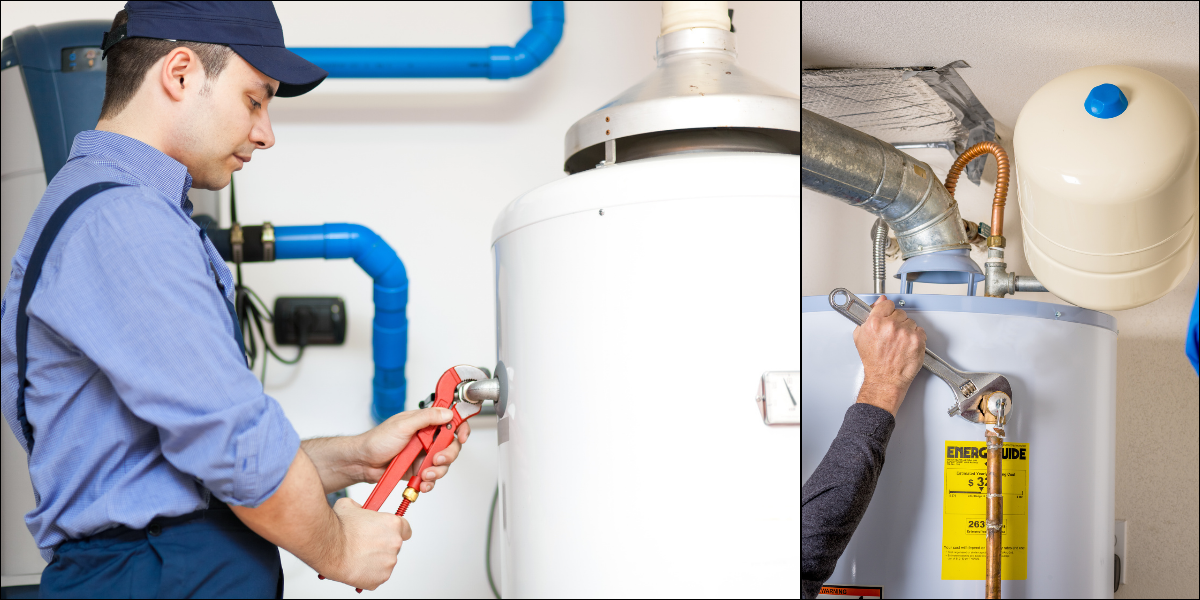
The purchase price of the new heater is only part of the total bill. These factors often explain why water heater installation costs vary across Houston homes.
1. Heater Size and Household Hot Water Demand
A replacement should fit how your household uses hot water, especially during busy mornings or evenings. The number of people at home, back-to-back showers, laundry, and dishwashing can all affect sizing.
For a heater that stores hot water, the first-hour rating helps describe how much hot water it can deliver during a period of heavy use. Ask the plumber to review your current capacity and the times when your family needs the most hot water instead of automatically buying the same size.
2. Existing Plumbing, Gas, and Electrical Connections
A replacement is often simpler when the existing connections are suitable for the new equipment. Corroded pipes, worn shutoff valves, incorrect electrical circuits, or unsuitable venting can add work to the installation.
Gas water heaters require proper gas piping and fuel connections, combustion air, and exhaust venting. Electric units need appropriately rated wiring and electrical protection. The installer should identify necessary changes during the assessment and explain them in the estimate.
3. Where the Water Heater Is Installed
An accessible utility room or garage may allow easier removal and installation. Tight closets, elevated platforms, and attic spaces can increase labor because moving the equipment takes additional care.
The location also affects how the plumber handles drain pans, discharge piping, and other protective components. If your heater is difficult to reach, ask whether the estimate includes all access-related work.
4. Removal and Disposal of the Old Unit
Before a new heater goes in, the old unit must be disconnected, drained as appropriate, removed, and disposed of correctly. Those tasks take time and may be included in the quoted installation price.
Ask whether haul-away and disposal are included. A quote that appears lower at first can cost more if removal is billed separately.
5. Permits and Safety Updates
Water heater work at properties within Houston city limits falls under the city's plumbing permitting process, although the permit or inspection requirements depend on the job. Surrounding communities may follow different rules. Homeowners can review permitting and inspection information through the City of Houston permit portal.
Depending on the installation, required safety work may involve pressure-relief discharge piping, a drain pan, thermal expansion control, or other code-related components. Ask who will arrange any required permits and inspections and whether those costs are included.
What Should a Water Heater Replacement Quote Include?
A clear estimate should show the scope of the work, not just the price of the appliance. Use the following checklist before comparing contractors.
| Quote Item | What to Confirm |
|---|---|
| New water heater | Model, capacity, fuel type, and included components |
| Installation labor | Disconnection, setup, connection, and testing |
| Removal and disposal | Whether the old water heater will be taken away |
| Plumbing and utility work | Valves, piping, venting, or electrical changes if needed |
| Permits and safety items | Required approvals, drain pan, discharge piping, and related work |
| Warranty information | Manufacturer coverage and the installer's workmanship terms |
A complete quote helps you understand what you are paying for and reduces confusion if the installer finds a problem with the existing connections.
When Does Water Heater Replacement Make Sense?
Not every water heater problem means the entire unit needs to be replaced. Some issues involve a valve, fitting, or other component that a plumber may be able to repair. Other problems point to a heater that is reaching the end of its useful service life.
Signs Worth Having Checked
- Water leaking from the body of the heater: A damaged or corroded storage vessel is different from a loose fitting and may call for replacement.
- Repeated repairs: If problems keep returning, compare the cost of another repair with the price of a new installation.
- Inconsistent or insufficient hot water: A failing component, sediment buildup, or a heater that no longer meets household demand may be responsible.
- Visible corrosion or unexplained moisture: These warning signs deserve an inspection before water damage spreads.
- Unusual operation: Changes in sounds or performance can signal a maintenance problem or a more serious fault.
If water is pooling around the base of the unit, our water heater leak troubleshooting guide explains common causes and warning signs.
A professional inspection can help separate a repairable problem from one that makes replacement the safer or more practical choice. Spencer's Plumbing Services also explains this decision in its guide to water heater repair or replacement in Houston.
From leaky faucets to major water and sewer repairs, Spencer’s Plumbing Service has you covered 24/7.Looking For An Estimate?
What Happens During a Water Heater Replacement?
Knowing the basic installation process can help you plan for the appointment and understand the work included in your estimate.
Step 1: Inspect the Existing Setup
The plumber checks the old heater, its location, and its connections. This assessment helps identify sizing concerns, safety issues, and any materials needed before the replacement begins.
Step 2: Confirm the Equipment and Written Estimate
Before installation, review the recommended heater capacity, total cost, removal plan, and any permit or inspection arrangements. Ask about equipment and workmanship warranty terms so you know what coverage applies.
Step 3: Remove the Old Heater and Install the New One
The plumber disconnects and removes the old water heater, installs the replacement, and connects the required water, gas or electrical supply, venting, and safety components. The installation is done with the required water, fuel, electrical, venting and safety connections.
Step 4: Test the System and Explain Care
Before finishing, the plumber checks for leaks, confirms the heater operates correctly, and reviews temperature settings and basic care with the homeowner. Keep the paperwork and warranty information in a safe place for future maintenance.
How Long Does Water Heater Replacement Take?
A straightforward replacement with accessible, suitable connections may take several hours. Jobs involving difficult access, extra piping, safety upgrades, or inspection requirements can take longer.
Ask your plumber what a realistic installation window would look like for your home’s setup. If you need to access an attic or clear space around the equipment, doing so before the appointment can help make the job go more smoothly.
How Can You Control Long-Term Water Heater Costs?
Choosing equipment that fits your needs matters, but the total cost of ownership also includes energy use, routine care, and future repairs. A low installation quote is not automatically the lowest-cost choice over the life of the heater.
Choose a Suitable Capacity and Efficiency Rating
A heater that is too big can be an inefficient use of your budget, and one that is too small can leave the household without enough hot water. Look at the manufacturer’s efficiency information and your usual hot water usage before you make a choice. The U.S. Department of Energy’s residential water heater efficiency guidance explains how efficiency and lifetime costs affect a purchase.
Follow the Manufacturer's Maintenance Guidance
Mineral deposits can accumulate in water heating equipment and can affect performance. Follow the manufacturer’s instructions for checking for buildup, and ask your plumber if the water conditions are contributing to repeated buildup.
If scale regularly affects fixtures or appliances in your home, Spencer's Plumbing Services offers information about water softener services that may be worth discussing with a professional.
Look Beyond the Upfront Price
Before you give the OK to install a water heater, ask about the maintenance that will be required, the availability of parts and the warranty. Those details can matter if you plan on living in your Houston home for a long time.
Questions to Ask Before Hiring a Water Heater Installer
A written estimate should leave you with a clear understanding of the job. Before authorizing replacement, ask:
- Does the quoted total include the new heater, labor, removal, and disposal?
- Are the existing plumbing, fuel, and electrical connections suitable?
- What size and hot water delivery capacity do you recommend for this household?
- Will permits, inspections, and safety components be required, and who handles them?
- What manufacturer and installation warranties apply?
- If hidden problems are discovered, how will additional costs be approved?
If the existing water heater is struggling but you are unsure whether it needs replacing, start with a professional assessment through our residential water heater service.
Get a Clear Water Heater Replacement Estimate in Houston
Water heater replacement cost depends on the condition of the existing setup as much as the equipment you select. An assessment can reveal whether the job is straightforward or whether plumbing, access, or safety updates need to be included in the budget.
Spencer's Plumbing Services repairs and replaces water heaters in the Greater Houston area. Contact us or call 832-658-2569 to discuss your current heater and request a written estimate.
Frequently Asked Questions About Water Heater Replacement
How Much Should I Budget to Replace a Water Heater in Houston?
As a broad planning estimate, a conventional residential replacement may cost around $2,000 to $4,500, but this is not a confirmed local average. Your quote will depend on the equipment, installation access, and any additional plumbing or safety work.
Does a Leaking Water Heater Always Need Replacement?
Not always. A leaking valve or fitting may be repaired, but a leak from a corroded heater body can be a signal that the unit must be replaced. If you see active leaking, get an inspection from a professional immediately to minimize water damage.
Will I Need a Permit for Water Heater Replacement in Houston?
Permit and inspection requirements depend on the property location and work involved. Ask your installer to explain which local rules apply and who is responsible for the paperwork.
How Do I Know What Size Water Heater I Need?
Consider household size, when hot water is used, and whether showers or appliances run at the same time. Your plumber can review the heater's capacity and hot water delivery information before recommending a replacement.
Can I Keep My Existing Plumbing and Electrical Connections?
Sometimes. Existing connections may be reusable if they are in good condition and suitable for the replacement equipment. An installer should check them before confirming the final scope of work.