
Houston homeowners rarely think about freezing temperatures until a winter cold front arrives. However, even a short period of extreme cold can create serious plumbing problems, particularly in homes with exposed water lines, outdoor faucets, or pipes running through unheated spaces.
Frozen pipes can restrict water flow, increase pressure inside plumbing lines, and eventually cause burst pipes that damage walls, flooring, cabinets, and personal belongings. The damage often becomes visible after temperatures rise and water starts flowing again.
Preparing your plumbing before freezing temperatures arrive can significantly reduce these risks. Knowing which pipes need insulation, how to insulate them, and what to do in an emergency can help you protect your Houston home all winter long.
Why Do Pipes Freeze and Burst During Houston Winters?
Houston's generally mild winters can leave residential plumbing vulnerable when sudden freezing temperatures arrive. Unlike homes in consistently cold climates, some Houston properties have water lines installed in attics, garages, exterior walls, or other areas with limited protection from freezing conditions.
When water freezes, it expands and can create pressure inside a pipe. If enough pressure develops, the plumbing may crack or rupture. The American Red Cross explains that freezing water can damage both metal and plastic pipes.
One important detail is that a pipe may not leak immediately after freezing. Water can get backed up behind an ice blockage until the temperatures go up. The water will leak out of a damaged area when the ice melts.
This makes post-freeze inspections particularly important because hidden leaks can develop inside walls or ceilings without obvious warning signs.
Which Plumbing Pipes Are Most Vulnerable to Freezing?
Not every water line faces the same level of risk. Pipes exposed to outdoor temperatures or located away from heated living areas generally require the most attention.
Outdoor Faucets and Hose Connections
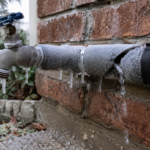
Exterior faucets are particularly vulnerable because cold air reaches them directly. Garden hoses left attached can trap water, increasing the chance of damage when temperatures fall.
Before the weather freezes, disconnect the hoses, drain any remaining water and install insulated faucet covers. If your plumbing includes a specific indoor shut-off valve for outdoor fixtures, operate it according to the system's guidelines.
Attic, Garage, and Exterior Wall Pipes
Water lines running through attics, garages, and poorly insulated exterior walls may experience temperatures significantly colder than the main living areas.
Don't forget these places during winter preparation. If you have exposed pipes, you can help guard them with proper insulation and by sealing out cold air.
Irrigation Systems and Backflow Preventers
Sprinkler supply lines, valves, and backflow prevention assemblies may contain standing water that freezes during severe weather.
Follow the manufacturer's instructions for winterizing irrigation equipment. Spencer's Plumbing Services also provides helpful guidance on outdoor plumbing winterization in Houston.
How to Protect Pipes From Freezing Before Winter Arrives
Knowing how to protect pipes from freezing is essential for Houston homeowners, especially when forecasts predict prolonged overnight freezing temperatures.
1. Install Proper Pipe Insulation
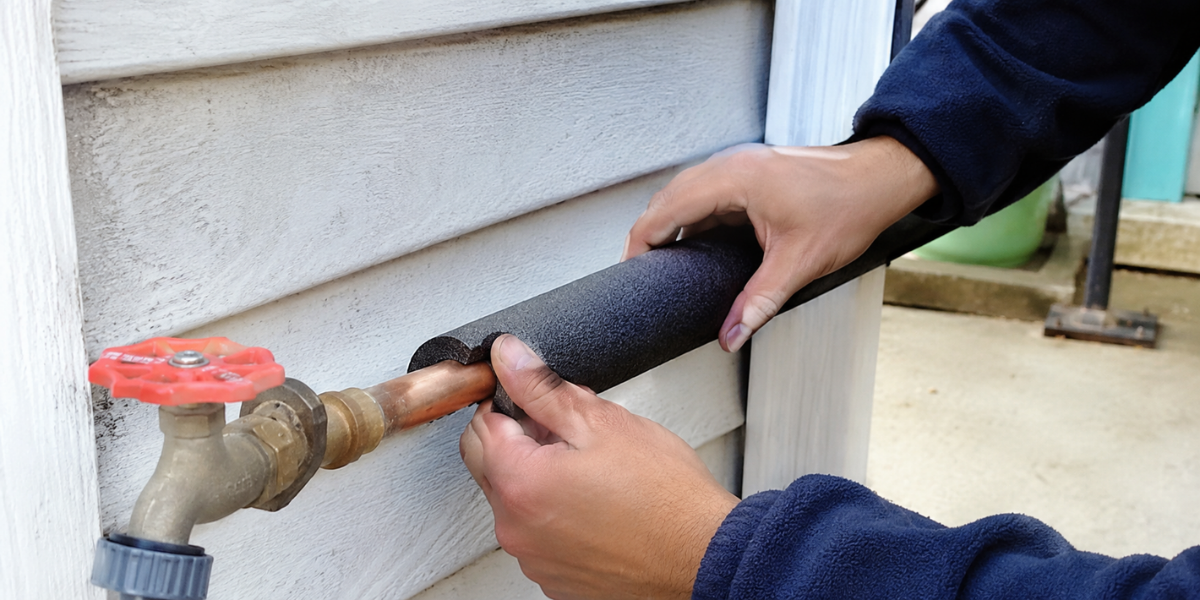
Using pipe insulation for winter helps slow heat loss from exposed water lines. Vulnerable plumbing is normally surrounded by foam sleeves, fiberglass insulation, and the proper type of protective wraps.
Pay particular attention to pipes in attics, garages, crawl spaces, and outdoor locations. Select insulation appropriate for the pipe material, diameter, and surrounding conditions.
Insulation provides protection but cannot guarantee that standing water will remain unfrozen during an extended hard freeze. Some exposed systems may require additional measures.
2. Disconnect Hoses and Protect Outdoor Fixtures
Remove garden hoses from exterior faucets, drain the hoses, and store them indoors. Install insulated faucet covers before temperatures approach freezing.
For irrigation systems, turn off and drain vulnerable water lines when recommended by the manufacturer or installer.
The National Weather Service recommends insulating pipes, disconnecting outdoor hoses, and shutting off sprinkler water supplies as part of winter preparation.
3. Keep Indoor Temperatures Consistent
Maintaining indoor heating is another effective way to reduce freezing risks. Avoid dramatically lowering your thermostat overnight when extremely cold temperatures are expected.
Open kitchen and bathroom cabinet doors when water lines run along exterior walls. This lets warmer indoor air flow around exposed plumbing.
If you have supply lines in the garage, keep the garage doors closed. These simple adjustments can help limit your plumbing's exposure to freezing air.
From leaky faucets to major water and sewer repairs, Spencer’s Plumbing Service has you covered 24/7.Looking For An Estimate?

4. Locate Your Main Water Shut-Off Valve
Knowing where to stop your home's water supply can reduce damage during a plumbing emergency.
Identify the main shut-off valve and learn how to use it; keep the area around the valve free of obstructions. Never try to force a valve that looks damaged or is stuck.
For additional prevention advice, read Spencer's Plumbing Services' guide on 10 ways to prevent a burst pipe.
Should You Leave Faucets Dripping During a Houston Freeze?
Homeowners often wonder whether dripping faucets can protect water lines during extremely cold weather.
Allowing a small amount of water to flow may reduce freezing risk in certain situations. However, local water utilities sometimes recommend different approaches during severe weather because widespread dripping can affect municipal water demand.
Follow current instructions from your water provider before deciding whether to drip faucets.
Even when dripping is recommended, it should complement other precautions rather than replace insulation, proper heating, or protection for outdoor fixtures.
A practical approach to how to prevent burst pipes involves addressing several risks together. Protect vulnerable plumbing, keep indoor temperatures comfortable and know how to shut off the water if a pipe breaks.
How to Winterize Plumbing Before Leaving Home
Traveling during winter requires additional planning because a plumbing leak may remain unnoticed while the property is empty.
To winterize plumbing, start with exposed supply lines, remove outdoor hoses and prepare irrigation equipment for anticipated freezing temperatures.
Keep indoor heating operating while you're away. The American Red Cross recommends maintaining a temperature of at least 55°F in an unoccupied home during cold weather.
If appropriate for your plumbing system, consider shutting off the main water supply and draining designated lines before extended travel. Consult a licensed plumber when the property contains equipment requiring continuous water service.
Have a trusted person check the property during prolonged freezing weather. Water leak detection devices may also provide useful alerts, particularly in homes that remain vacant for several days.
For a broader checklist, explore Spencer's guide to winterizing your plumbing system in Houston.
What Are the Symptoms of Frozen Pipes?
Recognizing a plumbing problem early can help prevent extensive water damage.
Common warning signs include:
- Little or no water flowing from a normally functioning faucet.
- Frost or visible ice developing on exposed supply lines.
- Unusual pressure changes during freezing weather.
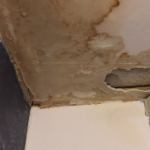
- Water stains appearing near walls, ceilings, or cabinets.
- Unexplained dripping or leaking after temperatures rise.
A frozen pipe may initially cause reduced water flow without visible damage. However, that does not necessarily mean the plumbing is safe.
Check other fixtures to see if the problem is in one water line or in several areas. If the water flow is still restricted or you think there has been hidden damage, call out a professional for an inspection.
What Should You Do When a Pipe Freezes?
If you suspect a frozen water line, avoid aggressive heating methods or attempting to force water through the blockage.
First, check accessible plumbing for any visible cracks or leaks. If there’s damage, turn off the main water supply and get help from a professional.
For an accessible, undamaged frozen section, gentle warming methods may help restore water flow. The National Weather Service recommends safe pipe-thawing techniques, including using warm towels or suitable electric heating equipment.
Never use a blowtorch, open flame or other fuel burning device to thaw pipes. These methods create serious fire hazards and can damage the surrounding materials.
Professional frozen pipe repair may be necessary when the affected section is concealed, inaccessible, or visibly damaged.
After water flow returns, inspect nearby plumbing for leaks and monitor water pressure.
If the frozen pipe is safely accessible and shows no signs of damage, keep the affected faucet open while gently thawing the pipe. As water flow returns, inspect the surrounding plumbing carefully for leaks.
What Should You Do Immediately if a Pipe Bursts?
A ruptured water line requires immediate attention because escaping water can damage flooring, drywall, insulation, and electrical components.
If you discover burst pipes, follow these steps:
- Shut off the water supply: Close the main shut-off valve to stop additional water from entering the damaged line.
- Avoid electrical hazards: Stay away from wet outlets, electrical panels, and appliances. Do not enter standing water near energized equipment.
- Relieve remaining pressure: Open a faucet when safe after shutting off the main supply.
- Contain accessible water: Use towels or containers where possible without entering unsafe areas.
- Contact a licensed plumber: Arrange an inspection and appropriate repairs before restoring normal water service.
Professional burst pipe repair services in Houston may include identifying the damaged section, replacing broken plumbing, and testing the repaired line.
For further guidance, read Spencer's article explaining what qualifies as a plumbing emergency.
When Should You Call a Professional Plumber in Houston?
Some plumbing problems require professional attention even when the damage initially appears minor.
If water pressure doesn’t return after thawing, you notice cracking in exposed pipes, or you discover unexplained moisture inside walls or ceilings, call a licensed plumber.
A licensed emergency plumber in Houston can assess the damaged line, recommend appropriate repairs, and determine whether additional sections of plumbing require inspection.
Professional assessment is particularly important after a prolonged freeze because hidden damage may become apparent only when water service resumes.
From leaky faucets to major water and sewer repairs, Spencer’s Plumbing Service has you covered 24/7.Looking For An Estimate?
Protect Your Houston Home Before the Next Winter Freeze
Protecting your plumbing starts with understanding where freezing risks occur. Protecting exposed pipes, getting outdoor fixtures ready, keeping the inside heat going, and knowing where the main shut-off valve is located can help prevent major winter plumbing problems.
If you suspect frozen plumbing, respond carefully and watch for leaks as temperatures rise. Early professional attention can help prevent further damage when pipes have cracked or ruptured.
Contact us to book an appointment with Spencer's Plumbing Services for winter plumbing inspections, frozen pipe concerns, and professional repair assistance in Houston.
Frequently Asked Questions
At what temperature do pipes freeze in Houston?
Water freezes at approximately 32°F (0°C), but pipes do not necessarily freeze as soon as outdoor temperatures reach that level. The risk depends on exposure, insulation, heating, and the duration of freezing conditions.
Can frozen pipes thaw without bursting?
Yes. Some frozen water lines thaw without visible damage, but hidden cracks may still be present. Inspect the plumbing carefully as water flow is restored.
How can I protect outdoor pipes during winter?
Disconnect garden hoses, install insulated faucet covers, protect exposed water lines, and prepare irrigation equipment according to manufacturer instructions.
How long does frozen pipe repair take?
Repair time will depend on the location, accessibility, and severity of the damage. A plumber will be able to give you a more accurate estimate after looking at the plumbing involved.