
Finding a puddle under your water heater is stressful, but water at the base does not always mean the tank has failed. A worn valve, loose connection, pressure issue, or condensation can send water down the unit and collect underneath it.
If you have a water heater leaking from the bottom, focus on safety first. Shut down the water supply and energy source when it is safe, protect the surrounding area, and look for visible clues without taking the heater apart. Some leaks are repairable. A corroded tank usually is not.
7 Common Causes of a Water Heater Leaking From the Bottom
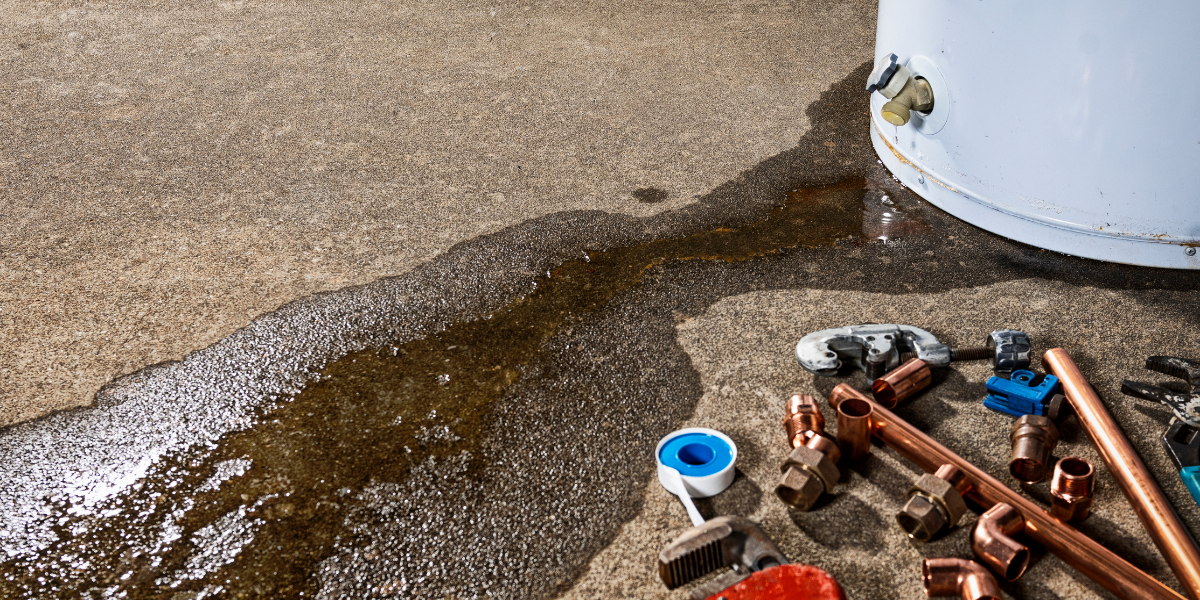
A water heater leaking from the bottom does not always mean the tank itself has failed. Water can travel down from a loose connection, valve, gasket, or pressure-related issue and collect beneath the unit. The most common causes include a leaking drain valve, tank corrosion, a failed heating element gasket, T&P valve discharge, loose connections, excessive pressure, and condensation.
1. Leaking Drain Valve: A leaking drain valve is one of the most common repairable causes of water beneath a water heater. The valve sits near the bottom of the tank and may drip if it becomes loose, cracked, worn, or no longer seals properly.
An older valve should not be forced because a brittle fitting can break and increase the leak.
2. Internal Tank Corrosion: Water coming directly from the tank shell or bottom seam can indicate internal corrosion. As a storage water heater ages, corrosion can eventually damage the protective lining and create an opening in the tank.
A confirmed tank leak usually requires water heater replacement Houston service rather than a temporary patch.
3. Failed Lower Heating Element Gasket: On an electric water heater, a worn lower heating element gasket can cause water to collect near the bottom of the tank. The gasket seals the point where the heating element enters the tank, and deterioration can allow water to escape.
A plumber can inspect the element and gasket to determine whether replacing the damaged component will stop the leak.
4. Temperature and Pressure Relief Valve Discharge: Water from the temperature and pressure relief valve can run down the heater and look like a bottom leak. The T&P valve is designed to release water when excessive temperature or pressure develops inside the system.
Never plug, cap, or close this safety valve. Repeated discharge should be checked for valve problems, high water pressure, overheating, or thermal expansion.
5. Loose Connections Above the Tank: A loose fitting at the top of the water heater can send water down the outside of the tank and create a puddle underneath. Supply connections and nearby fittings can develop slow leaks that are difficult to notice at first.
Before assuming you need emergency water heater replacement, look for fresh moisture around visible upper connections. A fitting repair may solve the issue.
6. Excessive Water Pressure or Thermal Expansion: High water pressure or thermal expansion can place extra stress on the water heater, valves, and plumbing connections. As water heats, it expands, which can increase pressure inside a closed plumbing system.
Recurring fitting leaks or repeated T&P valve discharge may indicate a pressure problem that needs professional diagnosis.
7. Condensation That Looks Like a Leak: Condensation can collect around the bottom of a water heater and be mistaken for an active plumbing leak. Moisture may be especially noticeable in Houston's humid conditions or during certain operating cycles.
Dry the area and monitor it. If water keeps returning, flows continuously, or appears alongside rust or corrosion, treat it as an active leak until the source is confirmed.
Looking For An Estimate?
From leaky faucets to major water and sewer repairs, Spencer’s Plumbing Service has you covered 24/7.

What Should You Do First When a Water Heater Is Leaking?
A water heater leaking can shift from a small drip to serious damage quickly. Before diagnosing the cause, limit the flow and stay clear of electrical or gas hazards.
1. Shut Off the Cold-Water Supply
Close the cold-water valve feeding the heater. If it is stuck or does not stop the flow, shut off the home's main water supply.
2. Turn Off the Energy Source Safely
For an electric heater, switch off its breaker only if you can reach the panel without crossing standing water. For a gas heater, turn the gas control off if you can do it safely. If you smell gas, leave the area and contact the gas utility or emergency services from a safe location.
3. Protect the Area
Move stored items away and contain water only when the area is electrically safe. Do not remove access panels while water is spreading.
4. Check Where Fresh Water Appears
Dry the exterior, then watch the top connections, side valves, drain valve, and base. This can help separate a component leak from a tank failure before you arrange leaking water heater repair.
Can a Leaking Water Heater Be Repaired, or Does It Need Replacement?
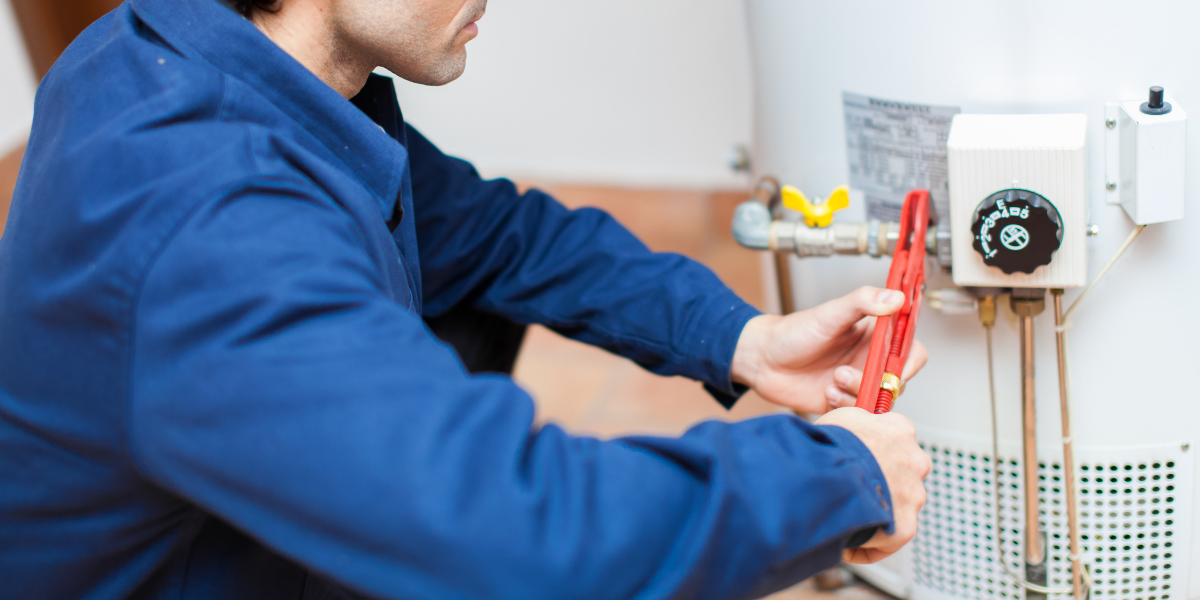
The leak source is the key factor. A corroded tank can signal serious failure, while a replaceable valve may need a straightforward repair.
Repair May Be Possible When
Water heater repair in Houston may be suitable when the tank remains sound, and the problem is limited to a serviceable component.
- Drain valve is leaking
- Heating element gasket has failed
- T&P valve needs diagnosis or replacement
- Pipe connection is loose or worn
- Pressure-control issue can be corrected
Replacement Is Usually Needed When
Replacement becomes likely when water comes from the tank shell or bottom seam, heavy corrosion is visible, or the heater has repeated breakdowns.
If the tank is actively releasing water, emergency water heater replacement may be needed to limit further property damage.
Why Water Heaters Can Develop Leak Problems
Water heater leaks can develop because of sediment buildup, ageing components, pressure problems, corrosion, or installation conditions. The location of the unit can also affect how quickly a leak is noticed. A heater installed in a garage, attic, or utility closet may develop a small leak long before visible water damage appears.
Sediment Can Settle at the Bottom
Minerals carried in the water can settle at the bottom of a storage tank over time. As that layer builds up, the heater may become less efficient, produce popping or rumbling sounds, and experience additional wear around the lower portion of the tank.
Regular water heater maintenance can help control buildup and reveal early corrosion or valve wear.
A Hidden Location Can Delay Detection
Garage, attic, and closet installations can hide small leaks until nearby flooring, insulation, or drywall becomes wet.
Routine checks are a useful part of Houston water heater service. Our Plumbing Services can also inspect a unit when the source of moisture is unclear.
How Water Heater Maintenance Helps Reduce Leak Risk
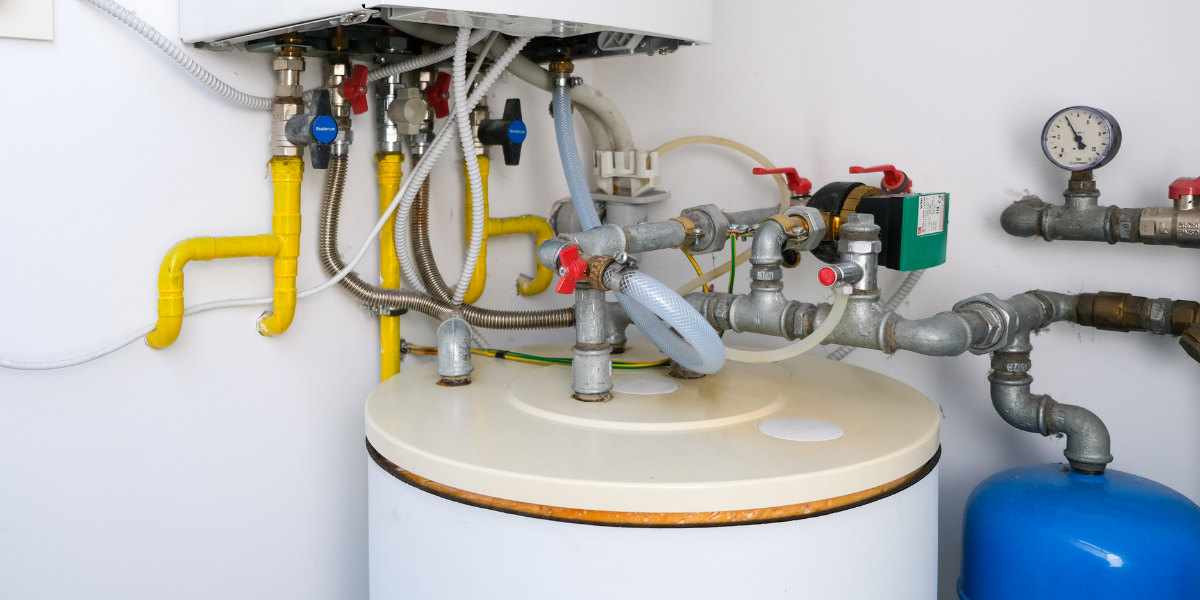
Routine service can uncover weak components, sediment, and corrosion before they become larger problems.
Useful Maintenance Checks
A practical water heater maintenance visit may include:
- Inspecting the tank, drain valve, and fittings for moisture
- Flushing sediment when appropriate for the unit
- Checking the anode rod on compatible tank models
- Evaluating the T&P relief valve and discharge piping
- Looking for corrosion around the tank base
- Checking water pressure when symptoms suggest a problem
If an older tank is already leaking or heavily corroded, have it inspected before attempting a flush.
When Is a Leaking Water Heater an Emergency?
A slow drip still deserves prompt attention, but certain conditions need immediate action. Water, electricity, gas, and pressure can create safety concerns.
Call for Immediate Help If You Notice
- Water rapidly flowing from the tank or base
- Standing water approaching electrical equipment
- A gas odor near a gas water heater
- A bulging tank or severe corrosion
- Water leaking through a ceiling from an attic unit
- A shutoff valve that will not stop incoming water
For urgent Houston water heater service, stop the water and energy source safely and have the system inspected before restarting it.
Looking For An Estimate?
From leaky faucets to major water and sewer repairs, Spencer’s Plumbing Service has you covered 24/7.
Final Takeaway: Act Before a Small Leak Spreads
A puddle under the tank does not automatically mean failure, but it should not be ignored. Shut off the water and energy source safely, note where moisture appears, and avoid patching a corroded tank.
For professional water heater repair in Houston, Our Plumbing Services can inspect the leak and explain whether heater repair or replacement fits the condition of the unit.
Need Help With a Leaking Water Heater in Houston?
If water keeps appearing beneath your water heater or the leak is getting worse, contact Spencer's Plumbing Services for an inspection. We can identify the source of the problem and recommend the appropriate repair or replacement option for your home.
Frequently Asked Questions
Is a Water Heater Leaking From the Bottom Always a Bad Tank?
No. A water heater leaking from bottom can come from a drain valve, heating element gasket, T&P discharge, or a leak higher on the unit. Water from the tank shell or seam is a stronger sign of tank failure.
Can I Keep Using My Water Heater If It Is Leaking?
Shut the unit down when the source is unknown, especially if water is near electrical parts. Arrange leaking water heater repair before returning it to normal use.
How Do I Know If I Need Water Heater Replacement?
More likely to replace if the tank is leaking, corrosion is widespread if breakdowns are recurring. Before considering water heater replacement Houston service, a plumber may consider the age, condition, repair history and source of the leak.
Can Sediment Cause a Water Heater to Leak?
While sediment may not lead directly to a leak, thick sediment can decrease efficiency and increase wear on the tank. Regular water heater maintenance also catches early deterioration.
How Quickly Should I Call a Plumber for a Bottom Leak?
If you have dried the area and the water reappears, call soon. If it’s active, spreading, near electrical wiring, or coming through a ceiling, treat it as an emergency and ask about repair or emergency water heater replacement.