
Low water pressure that appears when a second faucet opens usually points to a limitation somewhere in the water supply. Your shower may feel fine until someone starts washing dishes, then weaken as both fixtures draw through the same pipes. A slight change can happen during shared use. A persistent trickle deserves attention.
For homeowners in Houston and nearby Texas communities, the useful first step is identifying when and where the flow changes. This guide explains the likely causes, the checks you can safely try, and when professional testing can help you choose the right repair.
Why Water Pressure Drops When Several Fixtures Run
Opening another faucet increases demand on the shared supply as water moves faster through pipes, valves, and fittings, friction losses increase. Restrictions become easier to notice because the system has less capacity available for each fixture.
When multiple faucets run at once, they draw water from a shared supply. If pipes, valves, filters, or the incoming water supply cannot handle the increased demand, water flow weakens. A blockage, faulty regulator, or substantial leak can make the pressure drop noticeably worse.
Pressure and Flow Tell Different Stories
Pressure is the force pushing water through the plumbing. Flow is the amount delivered over time. A weak stream can reflect a flow restriction even when the pressure reading looks reasonable with every faucet closed.
That difference explains why a plumber may compare static pressure, measured without water use, with pressure while fixtures are running. Testing under demand reveals problems that a single resting measurement can miss.
Common Causes of Low Water Pressure During Shared Use
Several plumbing problems can produce the same symptom. How suddenly the change appeared, the condition of your pipes, and whether it affects hot and cold water help narrow the possibilities. These causes call for different repairs.
Water Supply Pipes Cannot Meet the Demand
Small shared branches, long pipe runs, or plumbing that serves added fixtures can struggle during simultaneous use. One faucet works adequately, but opening another exposes the limitation.
Choosing a replacement diameter requires a sizing calculation that considers available pressure, pipe length, material, and fixture demand. Pipe age or diameter alone cannot establish that the system needs an upgrade.
Corrosion and Deposits Restrict the Passage
Older galvanized steel pipes can develop internal corrosion that reduces their usable opening. Deposits and debris may also restrict aerators, valves, and other components. The decline can be gradual, with busy mornings revealing it first.
Cleaning a faucet screen may fix one weak outlet. Widespread corrosion inside supply piping needs a different assessment, potentially including pipe replacement.
A Faulty Water Pressure Regulator Limits Delivery
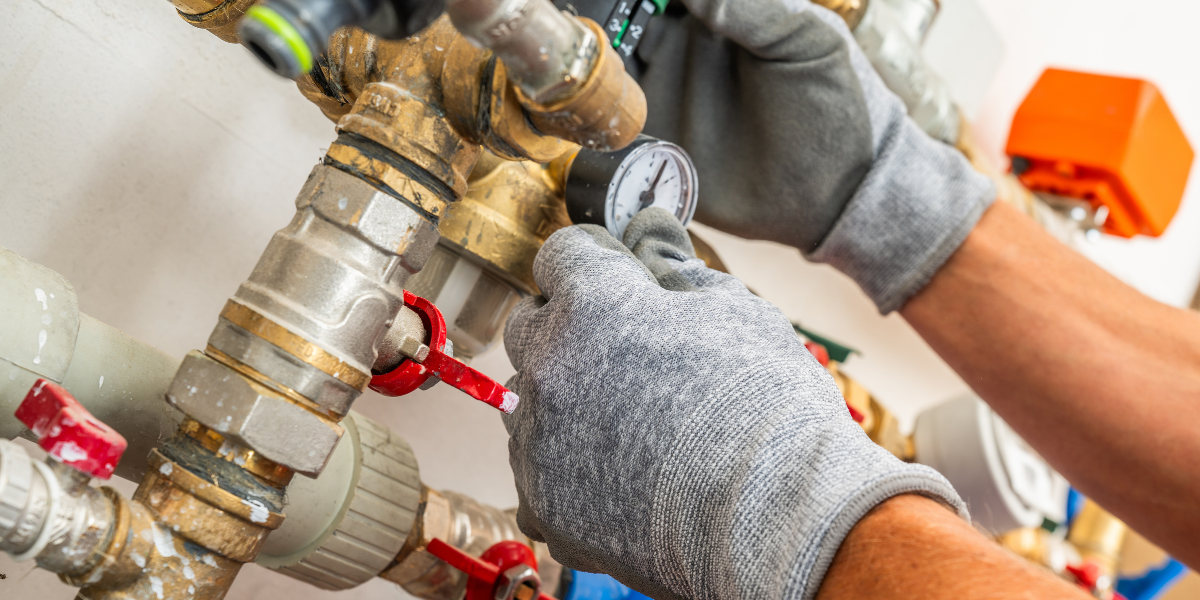
Some homes have a pressure-reducing valve that controls incoming pressure. A faulty water pressure regulator, debris inside the valve, or incorrect sizing can affect delivery when demand increases.
The symptom alone does not prove the regulator has failed. A plumber can test its performance and check incoming pressure before recommending service or replacement.
Valves and Filters Create a Bottleneck
A homeowner’s main shutoff valve may remain partly closed after repairs. A clogged whole-house filter or restricted water softener can also limit flow across the house.
If the problem started after maintenance, mention that when booking service. The timing can help identify a restriction before unnecessary work begins.
Hidden Leaks Reduce Available Supply
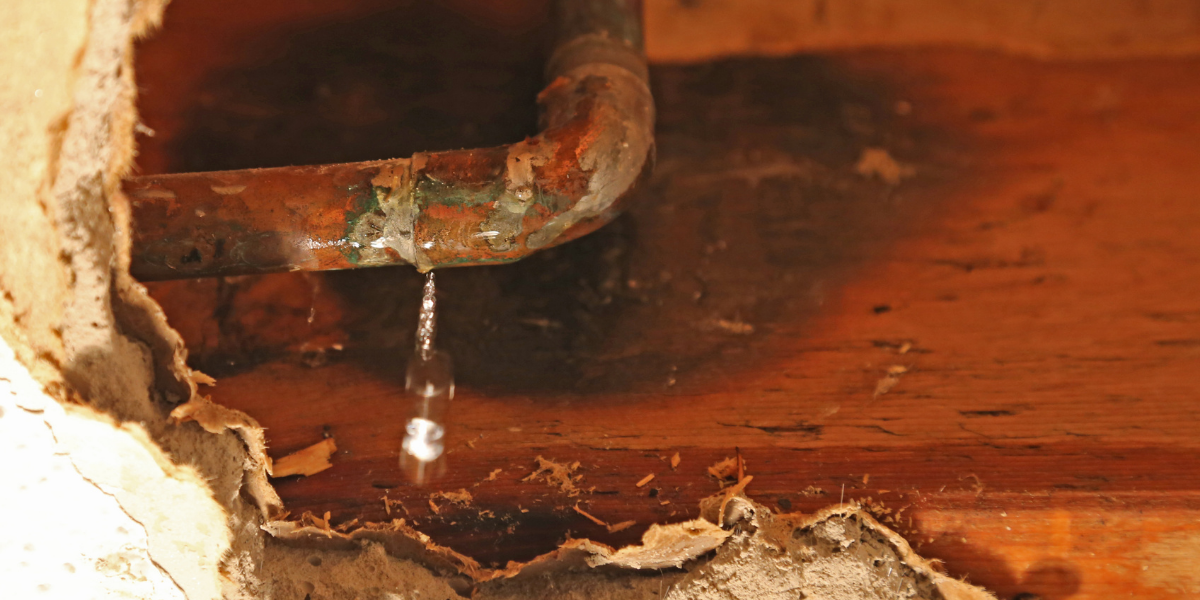
A substantial supply leak can reduce pressure, particularly when fixtures are already competing for water. Possible clues include unexplained water use, damp areas, or running-water sounds while fixtures are off.
Pressure loss alone cannot confirm a leak. Professional water leak detection can establish whether water is escaping and locate the affected area before repairs start.
The Utility Supply or Private Well Cannot Keep Up
Water main work or a distribution problem can temporarily affect incoming pressure. If nearby homes experience the same change, contact your water provider.
In a Texas home on a private well, you may need to evaluate the pump, pressure tank, controls or sediment filter. A good professional knows the difference between equipment problems and supply not being able to meet household demand.
Safe Checks Before You Schedule a Repair
Start with observations to help find the problem. You can gather useful information without turning a regulator or opening equipment. If you notice active leakage or a damaged valve, stop.
Compare Fixtures and Water Temperatures
Run one faucet, then open a second and note the change:
- One weak faucet suggests a local screen, cartridge, valve, or supply connection issue.
- If the flow of hot water is weak but the cold flow is normal, the trouble is more likely to be in the hot-water system.
- Reduced flow across hot and cold fixtures suggests a shared supply restriction.
- See if the flow returns when the second fixture shuts. When scheduling a plumbing inspection, explain when the pressure drops and which fixtures are affected.
Looking For An Estimate?
From leaky faucets to major water and sewer repairs, Spencer’s Plumbing Service has you covered 24/7.

Follow Up on Hot Water Problems
If low water pressure affects only hot water at several outlets, ask for a water heater inspection and checks of its connections and hot-water piping. One affected faucet may have a cartridge or local valve problem. Such comparison helps to direct the visit. Do not flush a heater or disassemble its valves without proper instructions and experience.
Clean Accessible Screens and Check Recent Maintenance
A few routine plumbing maintenance checks may help:
- Clean removable aerators according to the fixture manufacturer’s instructions. Use vinegar only when approved for the materials and finish.
- Review the replacement schedule for any whole-house filter.
- Visually check your homeowner shutoff valve. A typical ball-valve handle aligns with the pipe when open.
Do not force a stiff valve or operate the utility’s meter valve. Ask your provider or plumber if ownership is unclear.
Record Meter Activity and Pressure Readings
Don't use any water at home, including watering your lawn and appliances that refill themselves. Check the meter’s leak indicator or take readings when no water is being used. Movement means that consumption is still happening and that needs to be looked into.
You may already have a suitable pressure gauge and access point. Take readings with the fixtures closed and with another tap running. The position of the connection relative to the regulator is important. Give the readings to your plumber and let them make any pressure adjustments.
When to Call a Plumber for Low Water Pressure
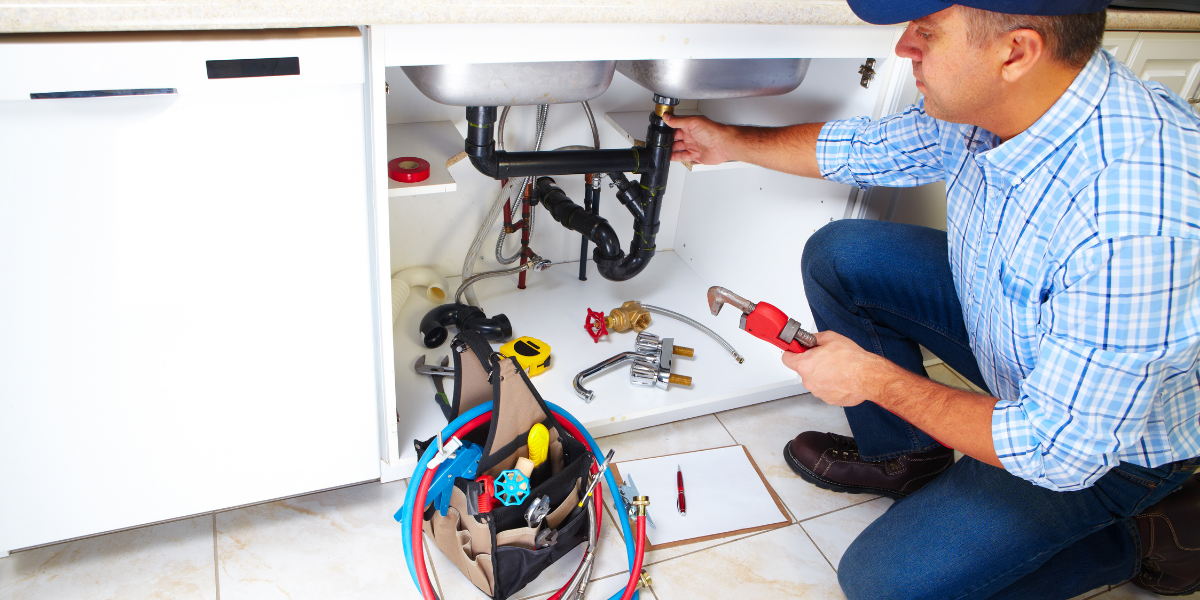
If basic checks don't account for the problem or everyday water use is still troublesome, schedule an inspection. Testing the cause gives you a clearer basis on which to decide what work needs to be done.
Choose the Repair After Testing
Spencer’s Plumbing Services offers residential plumbing inspections, leak detection, and pipe repairs for Texas-area homeowners. Explain which fixtures are affected, whether hot and cold behave differently, and any recent plumbing maintenance.
A valve, filter, regulator, damaged pipe, or restricted supply section may need to be repaired, depending on the results. Ask your plumber how the recommended repair will address the drop in water pressure when multiple faucets or plumbing fixtures run at the same time.
After repairs, ask the plumber to repeat the same two-fixture test. Your water supply pipes should be assessed under the conditions that caused the complaint. Until the visit, spreading out laundry, showers, and irrigation may ease competition for water, although it will not remove a restriction or repair a leak.
Respond Quickly to Signs of Water Damage
Low water pressure alone is not always an emergency. Request emergency plumbing services when a sudden loss accompanies uncontrolled leakage, spreading water damage, or a suspected burst pipe.
For plumbing emergencies, close your homeowner shutoff valve if you can reach and operate it safely. Keep away from standing water near electrical equipment and call for urgent help.
Restore Reliable Water Flow in Your Texas Home
Restricted pipes, valves, filters, a regulator, leaks, or restrictions on the incoming supply can all cause low water pressure during shared use. The next phase can be determined by comparing fixtures and hot versus cold flow. Clean easily accessible screens, document any incidents, and get help right away if there are any indications of water damage.
Schedule a Plumbing Inspection
Spencer’s Plumbing Services helps homeowners in Houston, Humble, Kingwood, Atascocita, and surrounding communities investigate plumbing concerns. Contact us to describe your pressure problem and schedule an inspection focused on finding its cause.
Frequently Asked Questions
Why Does My Shower Weaken When the Toilet Flushes?
Water is taken from the cold water supply by the toilet's refill valve. Shower flow may decrease if the shared pipework is unable to continue supply. An inspection is necessary if there are frequent, significant fluctuations, particularly if the temperature of the shower also fluctuates.
Should I Turn Up the Pressure Regulator?
First, look for the cause. Raising the level can fail to clear a clogged pipe or filter and expose fixtures to excessive pressure when demand stops. A plumber should evaluate both the supply and the regulator.
Can a Leaking Faucet Reduce Pressure Throughout the House?
A significant reduction in pressure throughout the house is typically not explained by a slowly dripping leaking faucet. Delivery may be impacted by a bigger supply leak. Fix the drip, but if multiple fixtures are still weak, look into additional reasons.
Will Repiping Fix the Problem?
When testing confirms widespread corrosion or insufficient pipe capacity, repiping may be beneficial. It will not rectify low pressure that is the result of a distinct equipment fault or a utility issue. Request the findings that substantiate any replacement recommendation.