
Heavy rain can turn a normal plumbing day into a messy problem quickly. A sink may drain slowly, a toilet may gurgle, or water may rise into a shower or floor drain. When several fixtures react at once, the issue is usually deeper than a small local clog.
In Houston, wet weather can pressure private sewer lines and the larger wastewater system. Rainwater can enter damaged sanitary lines through cracks, loose joints, or other openings. A line already narrowed by grease, roots, debris, corrosion, or a partial blockage has less room to carry flow.
That is why drains back up during heavy rain even when everything seemed fine the day before. The storm often exposes a restriction or damaged pipe that was already reducing capacity.
Why Heavy Rain Can Trigger Drain Backups in Houston
Houston's flat terrain, intense storms, shifting soil, and older infrastructure in some neighborhoods can make drainage problems easier to notice during heavy rainfall. Houston Public Works notes that the city's flat topography requires hundreds of lift stations to move wastewater toward treatment facilities.
Rainwater Can Enter Sanitary Sewer Lines
Houston has a separate sanitary sewer system, but unwanted rainwater can still reach wastewater pipes through inflow and infiltration.
Infiltration occurs when groundwater enters through cracks, broken joints, or damaged pipe walls. Inflow generally refers to rainwater entering through direct openings or improper connections. During a storm, that extra water occupies space in the system. If a private sewer lateral is already restricted, wet-weather flow can contribute to a plumbing backup.
Flat Terrain Can Slow Natural Drainage
Gravity helps wastewater move through sewer lines, but Houston's relatively flat landscape provides less natural fall than a hillier city.
Wet-weather conditions can expose weak points in a partially blocked private line.
Downstream Conditions Can Affect Private Lines
A problem on the property is not always the only cause. If downstream sewer conditions become restricted or heavily loaded, a private lateral may have less room to discharge.
The first warning often appears at a low fixture such as a shower, tub, floor drain, or toilet.
Existing Sewer Problems Often Get Worse During a Storm
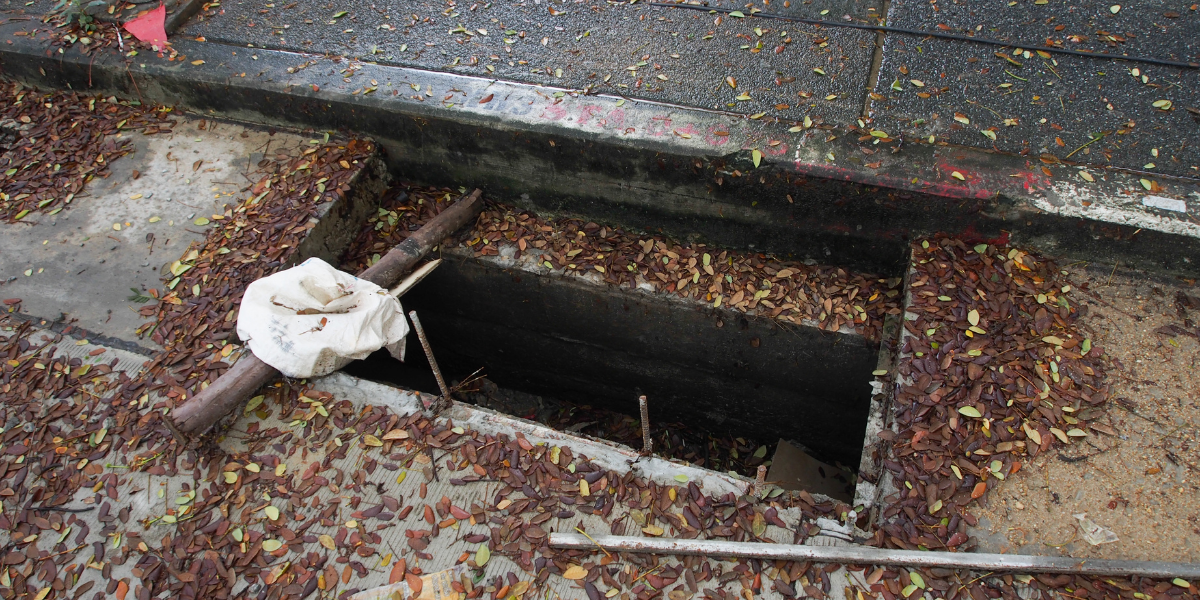
A damaged or partially clogged line may still work in dry weather, then struggle when conditions change. Heavy rain can reveal problems that were already developing underground.
A Partial Sewer Line Clog Reduces Capacity
Grease, soap residue, wipes, paper products, mineral buildup, and debris can gradually narrow a pipe.
A sewer line clog that once caused occasional slow drainage may suddenly send wastewater into fixtures during wet weather.
Tree Roots Can Catch Debris
Roots move toward moisture. If an underground pipe develops a crack or loose joint, small roots can enter and grow inside.
Those roots can catch grease and debris, creating a restriction that may return after basic cleaning.
Damaged or Shifted Pipes Can Hold Water
Houston soil can move as moisture conditions change. Underground pipes may crack, separate, settle, or develop low spots where wastewater collects.
Residential drain cleaning may remove loose material, but recurring trouble can require a camera inspection to check whether the pipe itself is damaged.
From leaky faucets to major water and sewer repairs, Spencer’s Plumbing Service has you covered 24/7.Looking For An Estimate?

Warning Signs That a Backup Is Developing
A drain backup often gives some warning before wastewater reaches the floor. Small changes can point to a main drain or sewer problem.
Multiple Drains Backing Up at the Same Time
One slow sink may point to a local clog. Multiple drains backing up at once is different.
If a toilet gurgles when the shower runs, the tub fills when the washer drains, or several fixtures become slow together, the shared drain or sewer line may be restricted.
Gurgling, Bubbling, or Sewage Odors
Gurgling can occur when trapped air moves through a restricted line. Sewage odors can also signal stagnant wastewater, venting trouble, or a developing sewer issue.
If these signs appear during rain, professional inspection is important.
Water Rising in Low Fixtures
Water appearing in a shower, tub, garage drain, or floor drain can mean wastewater has nowhere else to go.
Common warning signs include:
- Several fixtures draining slowly together
- Toilets bubbling after another fixture is used
- Water rising in a shower or tub
- Sewage smells near drains or cleanouts
- A backup that returns during or after rain
What Should You Do When Drains Back Up During Heavy Rain?
The first goal is to stop adding water to a line that may already be overloaded or blocked. Flushing toilets, running laundry, or taking showers can send additional wastewater toward the backup.
Stop Using Water Inside the Property
Pause showers, laundry, dishwashing, toilet flushing, and unnecessary sink use. If the main sewer line is involved, water from any fixture may feed the same blockage.
Do not keep testing the drain with extra water.
Stay Away From Sewage
If wastewater enters an indoor space, keep children and pets away. Avoid direct contact with sewage and contaminated surfaces.
If water is close to electrical equipment, outlets, appliances, or wiring, treat the area cautiously and seek qualified help.
Call for Emergency Drain Repair When the Backup Is Active
An active sewage backup, rapidly rising water, or repeated overflow from several fixtures should be treated as urgent.
Spencer's Plumbing Services provides drain and sewer services across Greater Houston, including drain cleaning, hydro jetting, sewer camera inspection, sewer line repair, and emergency plumbing support.
A plumber can identify whether the cause is a blockage, damaged pipe, roots, or a downstream condition.
How Plumbers Find and Correct the Cause
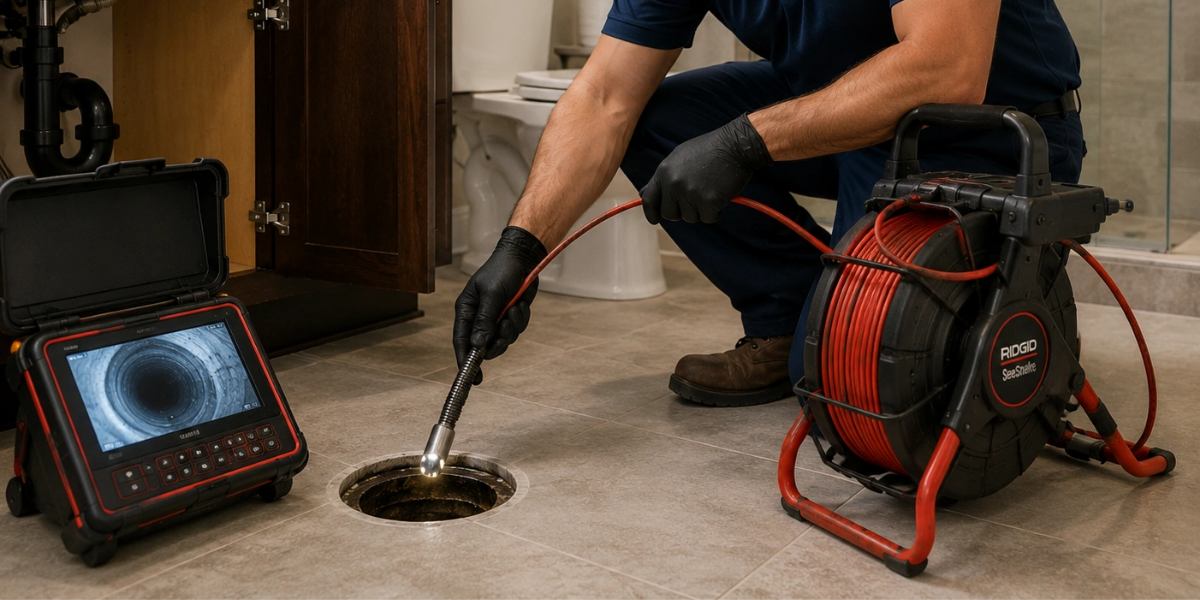
The right repair depends on what is happening inside the pipe. Clearing a small clog is different from correcting a damaged sewer lateral or recurring main-line restriction.
Camera Inspection Can Reveal Hidden Problems
A sewer camera Inspection can show grease buildup, roots, cracks, standing water, displaced joints, or damaged pipe sections.
This helps identify why a backup keeps returning after previous cleaning.
Drain Cleaning and Hydro Jetting Serve Different Needs
Mechanical drain cleaning works for many common blockages. Hydro jetting uses high-pressure water to remove heavier buildup when the pipe condition and obstruction make that method appropriate.
Professional drain cleaning in Houston should match the actual problem.
Some Problems Need Sewer Line Repair
Cleaning cannot correct a collapsed pipe, severe crack, separated joint, or badly settled section. Those conditions may require sewer line repair or replacement.
If backups keep returning after storms, repeated cleaning without checking for damage can leave the real cause unresolved.
From leaky faucets to major water and sewer repairs, Spencer’s Plumbing Service has you covered 24/7.Looking For An Estimate?
Can You Reduce the Risk Before the Next Houston Storm?
Property owners cannot control rainfall or municipal sewer conditions, but routine plumbing care can lower the chance that a small restriction becomes a serious indoor backup.
Address Slow Drains Before Rain Arrives
A drain that stays slow during dry weather is already giving you useful information. Have recurring problems checked before a major storm adds pressure to the system.
Residential drain cleaning can remove buildup before it becomes a complete blockage. For restaurants, offices, multifamily buildings, and other facilities with heavier use, planned commercial drain cleaning can reduce unexpected interruptions.
Keep Grease, Wipes, and Debris Out of Drains
Cooking grease has a knack for clinging to the insides of pipes. Wipes and other fibrous materials can easily get snagged on rough spots, tree roots, or any buildup. By keeping unnecessary items out of the sewer lines, we can help maintain a clear flow.
Ask Whether a Backwater Valve Fits the Property
A backwater valve is designed to help stop wastewater from flowing backward through a building sewer connection, but it is not suitable for every plumbing system.
Installation depends on layout, local requirements, access, maintenance needs, and the cause of the backup. A licensed plumber can evaluate whether it is a practical option.
Do Not Wait for the Next Storm to Confirm the Problem
If your drains back up every time Houston gets heavy rain, the pattern deserves attention. The cause may be a sewer line clog, root intrusion, damaged pipe, reduced line capacity, or wet-weather pressure farther downstream.
Get the Drain or Sewer Line Checked
Catching the problem while it is manageable can help you avoid a larger plumbing backup during the next downpour. Spencer's Plumbing Services can inspect the drain and sewer line, identify the cause, and recommend the appropriate next step.
If you are dealing with slow drains, multiple drains backing up, or an active sewer problem in Greater Houston, contact Spencer's Plumbing Services to schedule service or request urgent plumbing help.
Frequently Asked Questions
Why do my drains back up only when it rains?
Rain can add unwanted water to damaged sewer systems through inflow and infiltration. It can also expose a partial blockage, root problem, or damaged private sewer line that appeared to work during dry weather.
What does it mean if several drains back up at once?
If you have several fixtures affected, it’s likely a common drain or main sewage line instead of individual obstructions. Do not use water. If the problem persists or gets worse have it inspected.
Can heavy rain cause a sewer line clog?
Rain usually does not create grease, roots, wipes, or other clog material. Wet-weather conditions can reveal an existing restriction by increasing the amount of water the system needs to carry.
Is a sewage backup a plumbing emergency?
Yes. An active sewage backlog can cause property damage and sanitation problems. Stop using water, keep people away from polluted areas and call a plumber for emergency drain repair.
How can I help prevent another backup?
To tackle those pesky slow drains, make sure to steer clear of putting grease and wipes down the plumbing. If you find yourself dealing with backups more than once, it’s a good idea to schedule an inspection. Also, consider asking if preventive cleaning or installing a backwater valve might be the right move for you.