
Buying a home is exciting, but it also comes with responsibilities that most new homeowners never think about until the first leak shows up. You might wonder why a sink suddenly gurgles, why water pressure changes overnight or whether a small drip is harmless or a sign of something bigger. These questions are the reason every homeowner should have a clear understanding of Plumbing Basics.
This is not about becoming a plumber. It is about feeling confident in your home, knowing what to watch for and understanding when to take action. A well-informed homeowner prevents costly problems long before they start. Consider this your easy, friendly and practical Plumbing guide to help you feel grounded during your first year in a new home.
Why Should New Homeowners Learn Plumbing Basics?
Many people assume plumbing takes care of itself until something breaks. But think about it for a moment. What happens if a pipe bursts when you’re not home? What if the water heater starts leaking in the attic? What do you do when the toilet won’t stop running or when a drain slows down for no obvious reason?
Most plumbing issues start small. A little noise. A small stain. A slow drip. When you understand Plumbing Basics, you catch these early warnings before they turn into expensive damage. This simple awareness is what separates confident homeowners from overwhelmed ones.
Every Plumbing Guide for new homeowners emphasizes one thing: small steps today prevent major repairs tomorrow.
Understanding How Your Plumbing System Works
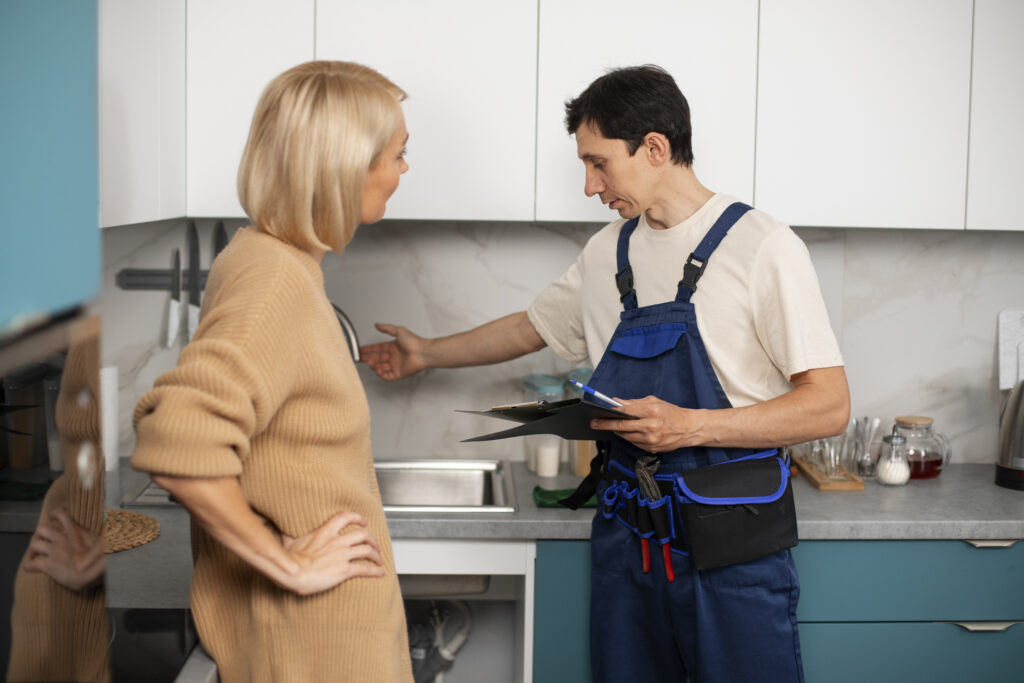
Before you can solve a problem, you need to know what you’re looking at. That starts with understanding the heart of Plumbing Basics.
Your home’s plumbing has three core parts:
- A fresh water supply system
- A drainage system
- Plumbing fixtures and appliances
Each part matters, and each has its own signs when something is off. Many new homeowners have never even seen their main water shut-off valve. If you ever face a leak, knowing where it is will save you hundreds of dollars and a lot of stress.
So ask yourself: do you know where your main shut-off valve is? Do you know how to turn off the water heater? These simple questions are the foundation of plumbing basics.
Where Are the Important Plumbing Controls in Your Home?
You cannot manage a plumbing issue if you don’t know where things are located. Every plumbing guide for a new homeowner starts with a checklist of essential points.
Here are the locations every homeowner should find on day one:
- Main water shut-off valve
- Water heater (gas or electric) and energy shut-off
- Shut-off valves beneath sinks and toilets
- Clean-out access for the main sewer line
- Outdoor hose bibs and irrigation shut-offs
Now ask yourself another question: if a pipe burst tonight, would you know exactly where to go? This is why plumbing basics matter long before you need them.
Common Plumbing Problems New Homeowners Face
New homeowners often discover that plumbing issues come quietly at first. Let’s break down the most common ones and what they tell you.
1. Slow Drains That Keep Getting Worse
Have you noticed a drain that slows down little by little? It may not seem urgent, but slow drains usually signal buildup inside the pipes. Hair, grease, soap residue and food scraps often combine into stubborn clogs.
Understanding Plumbing Basics helps you know when to use a simple drain screen and when to call for help before things back up.
2. A Toilet That Runs for No Reason
If your toilet tank keeps refilling, parts inside the tank might be worn out. A running toilet wastes water and increases your monthly bills. The fix is usually simple, but ignoring it creates much bigger issues.
This is the type of small repair covered in every entry-level Plumbing guide, and it is surprisingly easy for homeowners to handle.
3. Water Heater Surprises
A water heater can last years, but it needs attention. New homeowners often ask themselves why their water heater makes popping noises or why the water suddenly changes temperature. Sediment buildup is usually the cause.
Knowing Plumbing Basics teaches you when to flush the tank, when to check for leaks and when unusual noises mean it’s time to call a professional.
4. Low Water Pressure
Low water pressure can come from:
- Mineral buildup
- Partially closed valves
- Leaks
- Failing fixtures
It is not always a simple issue, which is why a good Plumbing guide encourages homeowners to check basic points first before assuming the worst.
Tools Every New Homeowner Should Keep on Hand
A good set of tools helps you handle small tasks confidently without waiting for help.
A simple Plumbing Basics toolkit includes:
- A plunger
- Adjustable wrench
- Pipe tape
- Bucket for emergencies
- Flashlight
- Drain snake
- Screwdrivers
These tools won’t fix everything, but they will help you manage small concerns safely until a plumber arrives.
Looking For An Estimate?
From leaky faucets to major water and sewer repairs, Spencer’s Plumbing Service has you covered 24/7.

Plumbing Basics New Homeowners Must Learn Immediately
To keep your home safe and functioning, here are the most essential skills to learn early:
- How to shut off water during an emergency
- How to turn off the water heater
- How to unclog a drain safely
- How to check for leaks under sinks
- How to spot early signs of water damage
- How to reset a garbage disposal
- How to watch for signs of sewer line issues
Knowing these steps is the true foundation of Plumbing Basics, and they make daily life much smoother.
What Questions Should New Homeowners Be Asking?
You might be wondering how often you should inspect your water heater or whether certain noises are normal. You may also ask yourself if a small drip is harmless or if it will turn into a bigger issue. These are good questions. Every homeowner becomes better over time by asking exactly these things.
This is why any thorough Plumbing Guide for new homeowners encourages curiosity. The more questions you ask, the more confident you become.
When Should You Call a Professional?
There are moments when a homeowner should step back and let a professional & licensed plumber handle the situation. Major leaks, sewage backups, water heater failures, unexplained odors, repeated clogs, and low pressure across the entire home all require expertise.
This is where our team helps new homeowners feel supported. We understand the challenges that come with your first home, and we’re here to provide clear guidance, reliable repairs, and long-term solutions. When you are unsure, we help you understand the issue and recommend the safest next step.
Conclusion
Being a new homeowner is both rewarding and challenging. Learning Plumbing Basics gives you the confidence to handle daily tasks, spot early warning signs, and prevent small issues from turning into major headaches. A strong understanding of these fundamentals, combined with a reliable Plumbing guide, helps protect your home and your peace of mind.
And when something feels beyond your comfort level, Spencer's Plumbing Services is here to help. We support Houston homeowners every day with clear answers, dependable repairs, and honest guidance. With the right knowledge and the right team, your home stays safe, efficient, and well-maintained for years to come.