Tag: houston

  • 4 Reasons Why Faucets Whistle While They Work

    4 Reasons Why Faucets Whistle While They Work

    Wondering Why Your Faucet Whistles? Here’s What’s Going On

    That sharp, high-pitched whistle coming from your faucet isn’t just an odd household sound, it’s your plumbing system trying to tell you something. Faucet whistling is a common issue homeowners across Kingwood and the Greater Houston area experience, often caused by worn parts, high water pressure, or buildup inside the pipes.

    While it might start as a faint noise, it can quickly become persistent or even indicate pressure imbalances and hidden damage in your plumbing lines. Ignoring it for too long can lead to more than just an annoying sound; it can affect your water efficiency and the health of your system.

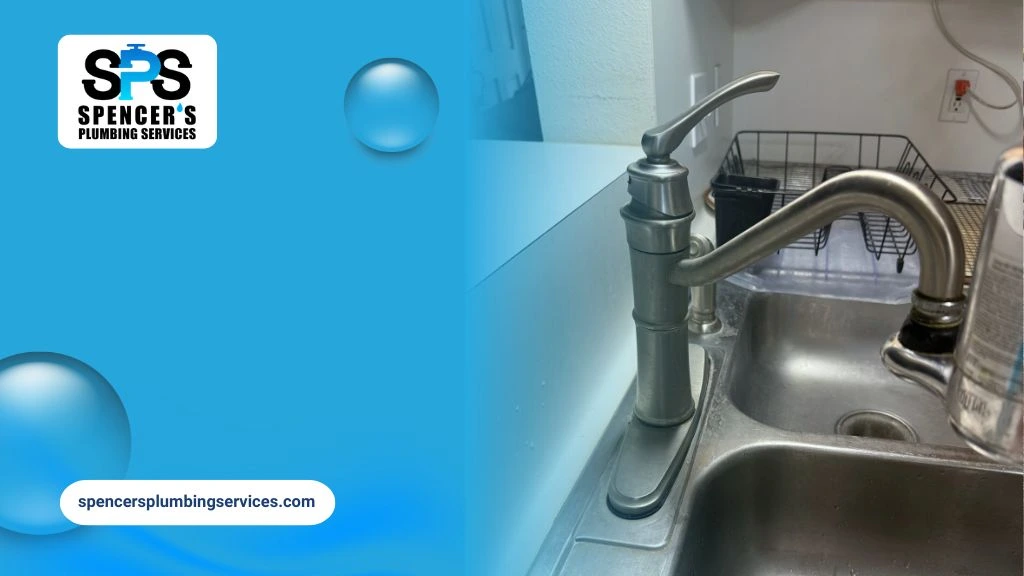
    faucet-whistling-houston

    Understanding why your faucet whistles is the first step toward preventing costly repairs and restoring quiet, consistent water flow. Below, we break down the four most common reasons this happens and why calling licensed and insured plumber is the safest solution.

    1. Worn or Loose Faucet Parts

    Inside every faucet are small but essential components like washers, O-rings, and valve seats that help control water flow. Over time, these parts can wear down, loosen, or shift slightly out of position due to regular use and water pressure changes. When that happens, water moves unevenly through the faucet, creating vibrations that produce a whistling or squealing noise.

    This issue is especially common in older fixtures or faucets that haven’t been serviced for a while. What starts as a faint sound can gradually turn into an irritating whistle, often paired with inconsistent water pressure or dripping.

    The good news? This issue is often quick to resolve with a detailed plumbing inspection. During the process, a technician can pinpoint whether the noise is caused by a small internal part or a deeper supply-line concern.

    Learn more in our post on What’s Checked During a Plumbing Inspection.

    2. Mineral Buildup Inside Pipes

    If you hear your faucet whistling, the cause may lie deeper in your plumbing system specifically inside the pipes. Over time, mineral deposits from hard water (especially calcium and magnesium) can accumulate within the faucet aerator, valves, or the inner lining of the pipes.

    This buildup gradually narrows the passage through which water flows. When water is forced through these smaller openings at high pressure, it can create a whistling or hissing sound.

    Beyond the noise, mineral buildup can reduce water pressure, affect water taste, and shorten the lifespan of your fixtures. A professional cleaning or aerator replacement usually resolves the issue and restores smooth water flow. For long-term performance, explore how Choosing the Right Plumbing Fixtures for Your Home can make a difference.

    3. High Water Pressure

    A steady, powerful stream from your faucet might feel convenient, but when water pressure is too high, it can do more harm than good. Excessive water pressure forces water through narrow faucet openings at high velocity, which creates vibrations inside the fixture. Those vibrations are what often cause that familiar whistling or squealing sound you hear when the tap is turned on.

    Many homes in the Greater Houston area experience fluctuating municipal water pressure — especially during peak usage hours or after heavy rain. Over time, that constant strain can wear down faucet components, damage pipes, or lead to leaks in other parts of your plumbing system.

    If you notice your faucet whistling, pipes rattling, or water surging too strongly, it’s a good idea to have your home’s pressure professionally tested. A technician can use a pressure gauge to measure PSI levels and install a regulator if needed. Keeping your water pressure within the recommended range (typically 40–60 PSI) ensures smoother flow, quieter faucets, and a longer lifespan for your entire plumbing system.

    4. Air in the Plumbing Lines

    When air gets trapped inside your plumbing system, it can turn a quiet faucet into a noisy one. As water flows through the pipes, these air pockets disrupt the smooth flow, causing a whistling, sputtering, or vibrating sound each time you turn on the tap.

    Sometimes, it’s not just the faucet that whistles; you might also notice the water sputtering when it first comes out or hear gurgling sounds from other fixtures in your home.

    While air in the lines isn’t usually an emergency, it’s a sign your plumbing system may need to be properly bled or checked for leaks that are drawing air into the system.

    When to Call a Professional

    If your faucet keeps whistling, here are clear signs it’s time to call a licensed and insured plumber rather than waiting it out:

    • The sound doesn’t go away:
      Even after regular use, the faucet continues to whistle or squeal.
    • Multiple fixtures make noise:
      You hear the same whistling or hissing sound from more than one tap in your home, a sign the issue lies in the plumbing system, not just one faucet.
    • Water pressure seems inconsistent:
      Sudden surges or drops in flow indicate a possible pressure imbalance or trapped air in the pipes.
    • The faucet is older or hasn’t been serviced in years:
      Aging parts often loosen or wear down, leading to vibration and noise.
    • You suspect buildup or corrosion:
      If water flow has weakened or the faucet whistles only when turned to a certain point, mineral deposits may be restricting movement.

    At Spencer Plumbing Services, our team serves the Greater Houston area, including Kingwood and Northeast Houston, providing prompt diagnosis and lasting solutions. We restore quiet, efficient water flow and keep your plumbing system performing at its best.

    Looking For An Estimate?

    From leaky faucets to major water and sewer repairs, Spencer’s Plumbing Service has you covered 24/7.

    Plumber

    When to Act – Faucet Whistling Severity Chart

    If you’re unsure whether that faint whistle from your tap needs attention, here’s a quick way to gauge how urgent the issue might be.

    How Often You Hear the Whistling Severity Level What It Likely Means Recommended Action
    Occasionally, from one faucet Low Minor wear or a small air pocket Monitor it; schedule an inspection if it becomes frequent
    Every time you turn on the faucet Moderate Possible worn parts or rising water pressure Call a licensed plumber for a professional check-up
    Multiple fixtures make the sound High Likely system-wide issue — pressure or air in lines Book a plumbing service immediately to prevent damage
    Whistling plus sputtering or low flow Critical Air or sediment in pipes restricting flow Urgent service needed — could lead to leaks or burst pipes

    Conclusion: Stop the Whistle Before It Worsens

    A whistling faucet might seem like a small inconvenience, but it’s often your plumbing system’s early warning sign. Whether caused by high water pressure, mineral buildup, or worn internal parts, addressing it early helps protect both your home and your wallet.

    At Spencer Plumbing Services, we offer precise, long-term plumbing solutions not quick fixes. From quieting noisy faucets to balancing water pressure, our team ensures every fixture in your home runs smoothly and silently.

    Call us today to schedule your inspection or explore our range of plumbing services in Houston designed to keep your home’s water system running quietly and efficiently.

    Frequently Asked Questions

    1. Why does my faucet make a whistling sound when I turn it on?

    A whistling faucet usually points to worn parts, high water pressure, or trapped air in your plumbing system. Over time, these issues can worsen and affect your overall water flow.

    2. Can I fix a whistling faucet myself?

    It’s best not to attempt DIY fixes. The problem could lie deeper in the plumbing lines or involve pressure adjustments. A licensed plumber can accurately identify and fix the issue without causing further damage.

    3. Is faucet whistling common in Houston homes?

    Yes. Many homes in the Greater Houston area experience faucet whistling due to hard water deposits, variable municipal pressure, and aging fixtures. Regular maintenance helps prevent these noises.

    4. How much does it cost to repair a whistling faucet?

    Costs depend on the root cause replacing a part is generally affordable, but if the problem stems from pressure or buildup in pipes, a full inspection may be needed. Spencer Plumbing Services provides transparent quotes before any work begins

    5. When should I call a plumber for faucet whistling?

    If the noise is constant, comes from multiple faucets, or is paired with sputtering water, it’s time to call a professional. Prompt attention prevents leaks, pressure damage, and expensive repairs later.

  • What Is Commercial Plumbing

    What Is Commercial Plumbing

    Behind every successful business is a reliable plumbing system, the unseen network that keeps commercial spaces functional and efficient. From offices and hotels to hospitals and shopping centers, commercial plumbing plays a vital role in maintaining hygiene, safety, and smooth daily operations.

    It ensures that every faucet runs clean water, every drain flows freely, and every system supports the comfort and well-being of employees, customers, and visitors alike.

    Our Commercial Plumbing Services in Houston are designed to meet the diverse needs of these properties with precision and reliability.


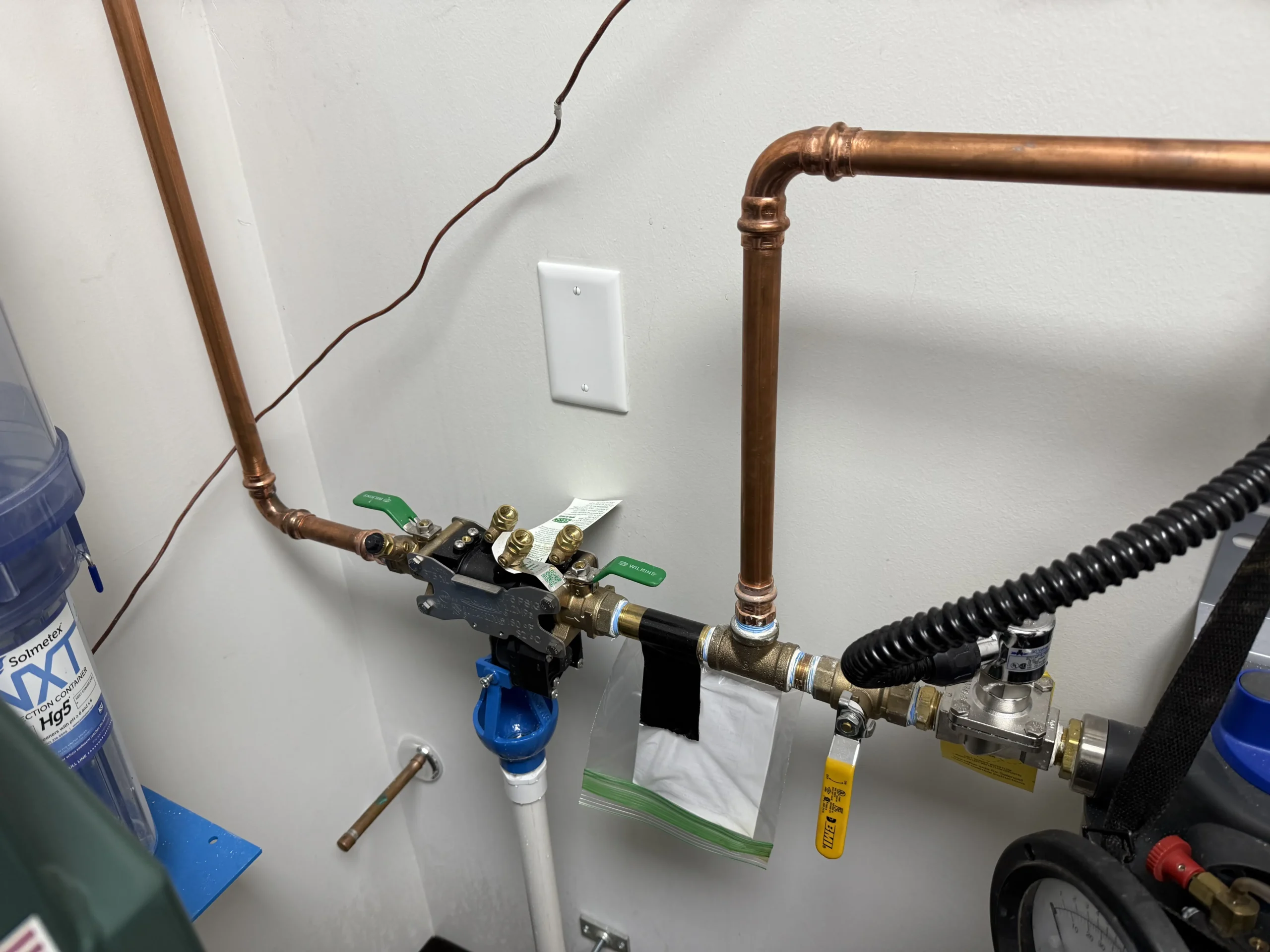
    Industrial plumbing pipes and valves in a commercial building

    Understanding the Scope of Commercial Plumbing

    Commercial plumbing goes far beyond fixing leaks and clearing drains; it involves designing, installing, and maintaining complex systems built to support the demands of large-scale facilities. These systems are engineered to handle high traffic, heavy water usage, and multi-floor layouts, making them far more sophisticated than residential setups.

    From multi-floor water distribution and large-scale drainage to industrial-grade equipment such as water heaters, grease traps, and backflow prevention devices, every component is designed for durability and efficiency.

    Commercial plumbers require specialized skills to read blueprints, understand intricate building structures, and coordinate with other trades, all while adhering to strict building codes and safety regulations. Because these systems operate continuously, routine inspections and maintenance are essential to prevent issues that could disrupt business operations.

    (For a detailed look at this process, read our blog on What’s Involved in a Plumbing Inspection?)

    At Spencer Plumbing Services, we manage every stage from design and installation to preventive maintenance, ensuring that plumbing systems in offices, restaurants, and healthcare centers operate flawlessly, every day.

    Why Commercial Plumbing Is Different

    Commercial systems operate on a much larger and more demanding scale than residential ones. They must handle constant use, higher pressures, and multi-level distribution with absolute reliability.

    These setups require advanced planning, specialized tools, and consistent monitoring to ensure safety and efficiency. Because even minor plumbing issues can disrupt operations or cause costly damage, timely maintenance is crucial for business continuity.

    Looking For An Estimate?

    From leaky faucets to major water and sewer repairs, Spencer’s Plumbing Service has you covered 24/7.

    Plumber

    Signs You Might Need Plumbing Attention

    Even the most reliable systems show early warning signs before major problems arise. Recognizing these can save your business from unexpected downtime or costly repairs.

    Quick checklist:

    • Water pressure drops or inconsistent flow

    • Unexplained increase in water bills

    • Foul odors or slow drains

    • Recurrent leaks or damp patches

    • Noisy pipes or gurgling sounds

    If you’ve noticed any of these, it’s time to schedule a professional inspection to ensure your plumbing system is running efficiently.

    Choosing the Right Commercial Plumbing Partner

    Selecting the right plumbing partner is essential for maintaining efficiency, safety, and compliance in your business operations. A reliable provider should offer more than just technical skill — they should deliver trust, transparency, and long-term support.

    Key factors to look for:

    • Licensed and insured professionals who follow local codes and safety standards

    • Proven experience managing large-scale commercial projects

    • Transparent pricing and clear communication, no hidden surprises

    • 24/7 emergency response to minimize downtime

    At Spencer Plumbing Services, our licensed team delivers prompt, code-compliant commercial plumbing solutions across Houston, ensuring your business runs smoothly and efficiently.

    Your Trusted Commercial Plumbing Experts in Houston

    Spencer Plumbing Services is your dependable partner for commercial plumbing — offering prompt maintenance, expert repairs, and tailored solutions that keep your systems performing at their best. Whether it’s a routine inspection or an emergency call, our team ensures your business continues to operate without disruption.

    FAQs About Plumbing Fixtures

    1. What is considered commercial plumbing?

    Commercial plumbing involves the design, installation, and maintenance of plumbing systems for large-scale facilities such as offices, hotels, hospitals, and shopping centers. These systems are more complex and handle heavier water usage than residential plumbing.

    2. How often should a commercial plumbing system be inspected?

    It’s recommended to schedule inspections at least twice a year to identify early signs of wear, leaks, or blockages — especially in high-traffic facilities.

    3. What are the most common commercial plumbing problems?

    Frequent issues include low water pressure, clogged drains, leaking pipes, faulty water heaters, and backflow concerns. Regular maintenance prevents these from turning into costly repairs.

    4. Why should I hire a licensed commercial plumber in Houston?

    Licensed plumbers ensure compliance with local building codes, safety standards, and inspection requirements — helping you avoid legal issues and ensuring long-term reliability.

    5. Do you provide 24/7 emergency plumbing services?

    Yes. Spencer Plumbing Services offers round-the-clock emergency support across Houston to minimize downtime and protect your business from water damage or system failures.

  • What’s Involved in a Plumbing Inspection?

    What’s Involved in a Plumbing Inspection?

    Most homeowners don’t think about their plumbing until something goes wrong — a leaky faucet, a slow drain, or worse, a burst pipe. The truth is, your plumbing system works behind the scenes every day, and small issues can escalate into major repairs if they go unnoticed. That’s why regular plumbing inspection is an essential part of maintaining your home.

    We offer comprehensive plumbing services in Houston — including inspections, leak detection, drain cleaning, pipe repair, and water heater maintenance — to keep your system running smoothly year-round.

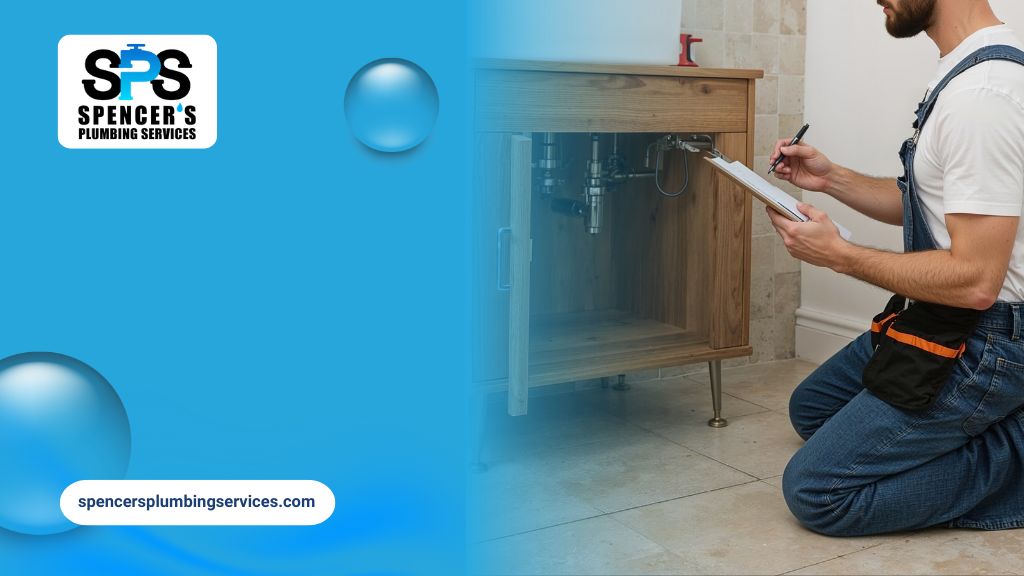
    plumbing-inspection-houston

    For homeowners across Greater Houston, a plumbing inspection provides peace of mind and helps prevent costly emergencies. But what exactly happens during one? Let’s break it down.

    Why Plumbing Inspection Matters

    A plumbing inspection is more than just a quick check of your pipes. It’s a comprehensive review of your home’s water supply, drainage, and key fixtures to ensure everything is functioning properly, efficiently, and safely.

    Some benefits of regular inspections include:

    • Identifying leaks before they cause water damage
    • Ensuring water pressure is at a safe, consistent level
    • Checking for early signs of corrosion or pipe wear
    • Maintaining compliance with local building codes
    • Saving money on unexpected repairs and water bills

    What’s Checked During a Plumbing Inspection

    A typical inspection covers all the major areas of your home’s plumbing system:

    Area Inspected What’s Checked
    Pipes & Supply Lines Look for leaks, corrosion, or damage affecting water quality or flow.
    Water Pressure & Flow Ensure pressure is at a safe level — not too high or too low.
    Fixtures & Faucets Test sinks, showers, toilets, and tubs for functionality and leaks.
    Drains & Sewer Lines Identify clogs or slow drains; may use a camera to inspect underground pipes.
    Water Heater Check for performance, temperature consistency, and safety issues.
    Shut-Off Valves Verify that valves operate correctly in case of emergencies.

    Looking For An Estimate?

    From leaky faucets to major water and sewer repairs, Spencer’s Plumbing Service has you covered 24/7.

    Plumber

    If your recent plumbing inspection identifies outdated or inefficient fixtures, explore our guide on choosing the right plumbing fixtures for your home.

    How Often Should You Schedule an Inspection?

    For most homes in Houston, an annual plumbing inspection is recommended. However, older homes, or properties with mature trees (which can impact sewer lines), may benefit from more frequent checks. It’s also smart to schedule an inspection when buying or selling a home to avoid surprises.

    Quick Facts: Plumbing Inspections at a Glance

    Detail Information
    Recommended Frequency Once a year
    Average Duration 1–2 hours
    Typical Cost Range $100 – $300
    Areas Served Kingwood, Greater Houston Area, and northeast Houston
    Service Includes Leak detection, drain cleaning, pipe repair, water heater check

    Final Thoughts

    A plumbing inspection is a proactive way to protect your home, your budget, and your peace of mind. By identifying small issues before they become emergencies, you can save money, conserve water, and keep your household running smoothly.

    For Houston homeowners, scheduling regular inspections with a licensed professional like Spencer Plumbing Services is one of the smartest investments you can make in your property.

    FAQs About Plumbing Inspections

    1. What is included in a plumbing inspection?

    It covers pipes, drains, faucets, toilets, water heaters, and shut-off valves to check for leaks, clogs, and pressure issues.

    2. What are the 5 main items to inspect at a drain detail?

    Blockages, leaks, pipe alignment, corrosion, and vent performance.

    3. How long does a plumbing inspection take?

    Usually 1–2 hours, depending on home size and system condition.

    4. How to prepare for a plumbing inspection?

    Clear access to sinks, water heater, and shut-off valves. Note any plumbing issues in advance.

    5. Why are plumbing inspections important?

    They detect small issues early, prevent water damage, and save on costly repairs.

    6. How often should I schedule one?

    Once a year is ideal; older homes may need more frequent checks.

    7. Who to call in Houston?

    Spencer Plumbing Services offers licensed inspections and full plumbing care across Greater Houston.